
The Mystery Malfunction: Troubleshooting Keypad and Remote Issues Before Calling a Pro
Simple Steps to Diagnose and Solve Your Garage Door Keypad and Remote Problems
You rush home from work, punch in your garage code, and… nothing. Your keypad isn’t responding. Or your remote’s light seems fine, but the door won’t budge. Before you panic or schedule an expensive service call, take a breath. Most garage door keypad and remote problems are easier to solve than you think. At McKinney Overhead Door, we’ve spent years helping homeowners troubleshoot these frustrating issues, and we’ve learned that often the fix takes just minutes. In this guide, we’ll walk you through the most common keypad and remote malfunctions and show you how to diagnose problems yourself. McKinney’s hot, humid summers and occasional weather extremes put extra stress on these outdoor devices, which is why we see predictable patterns. You’ll learn which issues are DIY-friendly and which require professional expertise. Let’s get your garage door working again.
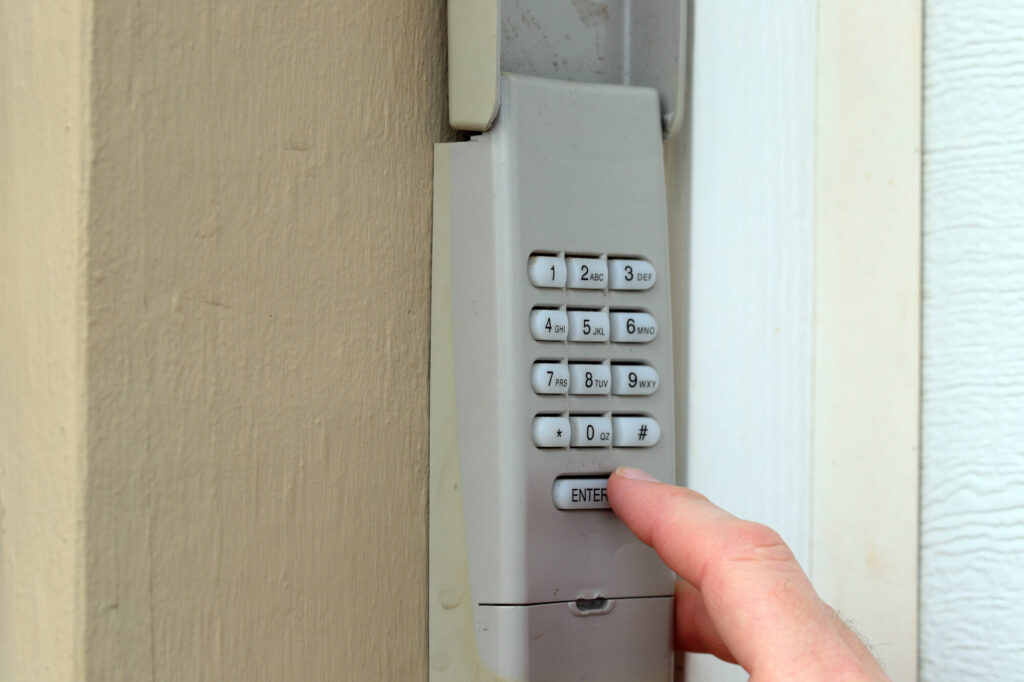
The Battery Detective: Start Here Every Time
The most common culprit behind a non-responsive keypad or weak remote is simple: dead batteries. It’s easy to forget about these devices until they stop working. Most garage door keypads use 9-volt batteries, while some older models use 12-volt batteries. Your remote typically uses AA or AAA batteries. If your keypad’s indicator light is dim or off, or your remote’s light won’t illuminate, replace the batteries immediately. This single step solves about 40% of the issues we receive calls about.
When installing new batteries, pay attention to polarity (plus and minus ends), and consider using lithium batteries—they handle McKinney’s temperature extremes better than alkaline. After replacing batteries, many modern keypads require reprogramming. Check your owner’s manual for the process, which usually involves pressing a “learn” or “reset” button on your garage door opener motor itself.
Cleaning and Connection Issues: Getting Down to Details
McKinney’s humid summers and occasional weather exposure mean your keypad collects dirt, moisture, and debris that can interfere with function. If your keypad is partially working—maybe some buttons work while others don’t—dirt buildup is likely the cause.
Gently clean the exterior with a soft cloth and alcohol-based cleaner, paying special attention to the gaps between buttons. For the interior, carefully remove the cover and use compressed air or a soft brush to remove dust and debris. If you notice frayed or loose wires inside connecting to the key pads, carefully reseat any disconnected wires. However, if wires appear significantly damaged, stop here and call a professional—internal rewiring should be done by experts.
Forgotten Codes and Lockouts: Security Protection Working Against You
Entered the wrong code too many times? Congratulations—your security system is doing its job. Most garage door systems have a built-in lockout mechanism (similar to credit card security) that temporarily disables the keypad after multiple incorrect code entries. This is intentional. Wait 30 minutes to an hour before trying again, or reprogram a new PIN following your opener’s instructions.
If you’ve forgotten your PIN entirely, locate the “learn” button on your garage door opener motor (usually inside the garage on the opener unit), press it briefly to activate it, then follow your manufacturer’s instructions to set a new code. This typically takes just a few minutes.
When Your Remote Signals But Nothing Happens
If your remote’s light blinks—meaning it’s transmitting—but the door won’t open, the issue may be signal loss or the need for reprogramming. First, try replacing the remote’s batteries. If that doesn’t work, your remote likely needs to be resynchronized with your opener. Press the “learn” button on your garage door opener motor, then press the remote button you want to use within 30 seconds. The opener light should blink or you’ll hear a click, confirming the pairing is complete.
If both your keypad and remote stop working simultaneously, the issue may be at the opener itself rather than the devices. In this case, you’ll need professional diagnosis.
Weather Damage and Time for Replacement
McKinney’s weather—especially summer heat and humidity—takes a toll on outdoor electronics. If your keypad or remote has visible cracks, is corroded, or has weathered significantly, replacement may be more cost-effective than repair. A new wireless keypad is relatively inexpensive and can often be installed in under an hour. Universal keypads work with most modern openers and are easy to program.
Having trouble solving the mystery? McKinney Overhead Door is here to help. If you’ve tried these steps and your keypad or remote still isn’t working, contact us for professional diagnosis and repair. We’ll get you back to secure, convenient access in no time.