Warning Signs Your Garage Door Spring Is About to Break (And Why You Should Never DIY the Fix)
Your garage door is the heaviest moving object in your home — and likely one you use several times a day without a second thought. But beneath that smooth operation lies a critical component under extreme tension: your garage door spring. When springs wear out, the consequences can be devastating.
Garage door springs handle approximately 10,000 cycles, or about seven to ten years of regular use. Between 20,000 and 30,000 people suffer garage door-related injuries annually, and a significant portion involve spring failures.
Five Warning Signs Your Spring Is Failing
Unusual Noises During Operation
Grinding, squeaking, or loud banging means your springs are struggling. A loud bang or snap could mean a spring has just broken. Stop using the door immediately and call a professional.
Visible Gaps or Damage in the Coils
A properly functioning torsion spring should appear as a tightly wound, continuous coil above your door. Visible gaps, separation between windings, rust, or frayed areas mean the spring has snapped or is failing.
Your Door Moves Slowly, Unevenly, or Gets Stuck
Springs counterbalance your door's weight (150–400 pounds). When they weaken, the door struggles to lift, moves slowly, or jerks — sometimes rising a few inches before sliding back down.
The Door Feels Heavy or Suddenly Falls
If your door feels unusually heavy when closing manually, or slams shut rapidly, a broken spring is the culprit. Without proper spring support, the opener alone cannot safely control the weight.
Loose or Sagging Cables
When springs fail, they lose tension and cause cables to hang loose. While it may look like a cable problem, the underlying issue is almost always a failed spring.
Why DIY Spring Repair Is Dangerous
Garage door springs store massive amounts of potential energy. A single torsion spring can support hundreds of pounds of force and, if released improperly, launch hardware at high velocity — causing severe eye injuries, lacerations, and fractures. Spring replacement also requires specialized winding bars and jacks; incorrect tools cause springs to snap unexpectedly.
If your door has two springs and one breaks, the other remains under significant tension, making repair exponentially more dangerous. Professionals replace both springs simultaneously to ensure balanced operation.
What Professional Spring Repair Looks Like
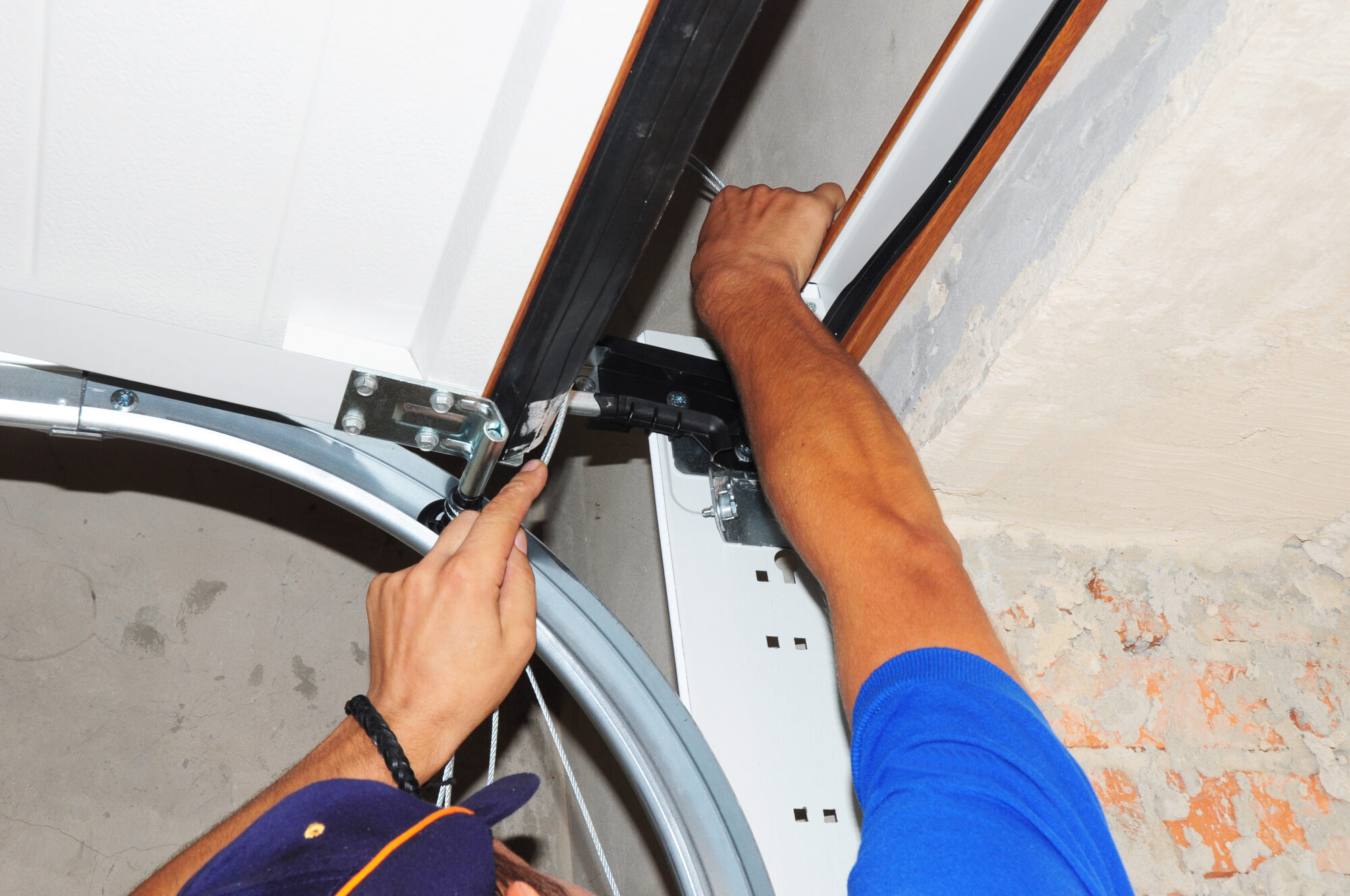
Our technicians inspect the entire system — springs, cables, tracks, rollers, and hardware — install new springs with the correct tension using specialized tools, always replace both springs in a two-spring system, and test the door afterward. Professional repairs come with installation warranties; DIY repairs offer no such protection.
If you've noticed warning signs that your spring may be failing, don't attempt a DIY repair. Contact McKinney Overhead Door for a professional inspection and safe, reliable repair.
Need professional help?
Contact McKinney Overhead Door for fast, reliable service and a free estimate.