The Squeak Stops Here: 5 Common Reasons Your Garage Door is Loud and How to Silence Them

Garage Door Noise Reduction: Hardware Fixes That Work

That squeaking, rattling, or grinding noise coming from your garage every time you open or close the door? It’s not something you have to live with. A noisy garage door is usually a sign that something needs attention—and the good news is that many of these issues are fixable. At McKinney Overhead Door, we’ve spent years helping McKinney and North Texas families diagnose and resolve garage door noise problems. We understand that a loud garage door disrupts your morning routine, keeps you awake at night, and can signal bigger problems down the road. The solution often comes down to simple maintenance and hardware adjustments. Whether it’s lubrication, tightening a few bolts, or replacing worn parts, we’re here to help you understand what’s causing the noise and how to fix it. Let’s decode those sounds and get your garage door running quietly again.

Garage Door Noise Reduction: Hardware Fixes That Work

The 5 Most Common Causes of Noisy Garage Doors

1. Lack of Lubrication: The Metal-on-Metal Problem

The most common culprit behind squeaking and squealing sounds is simple: your garage door parts need lubrication. When rollers, hinges, and springs don’t have adequate lubrication, metal rubs against metal, creating that high-pitched noise you hear. Over time, lubrication dries out, especially in North Texas where temperature swings from cold winters to hot summers stress your garage door hardware.

The fix: Apply a silicone-based lubricant or white lithium grease to your rollers, hinges, springs, and track system every 6 months. Skip the WD-40—it’s not a true lubricant. A light coating on all moving parts will eliminate most squeaking noises and keep your door operating smoothly for years.

2. Loose Hardware and Bolts

Garage doors are heavy moving systems, and vibrations from regular use cause nuts, bolts, and brackets to loosen over time. When hardware loosens, you’ll hear rattling, clanking, or vibrating sounds as the door moves up and down. This is one of the easiest problems to spot and fix.

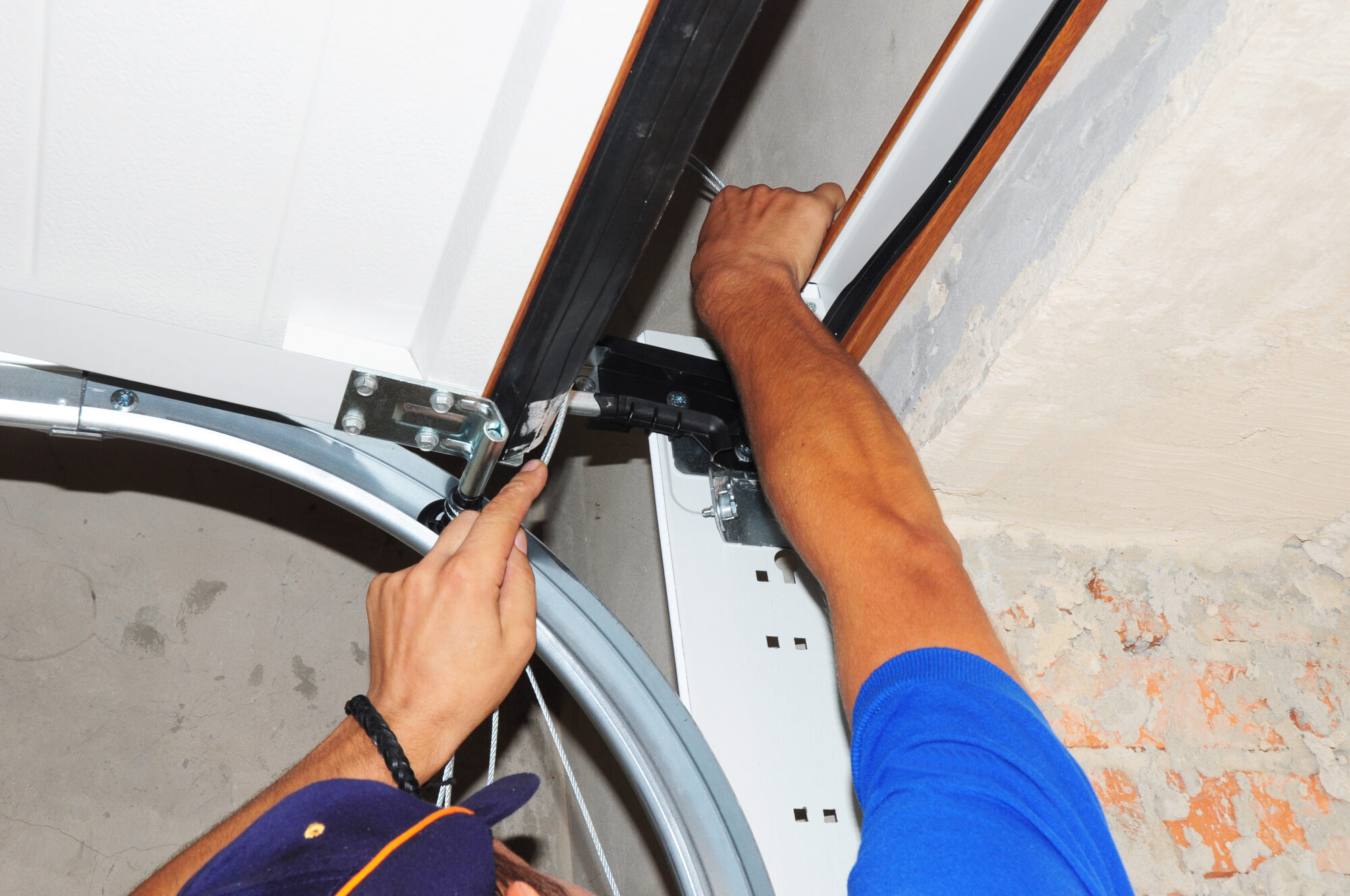
The fix: Grab a wrench or socket set and systematically check every bolt, nut, and bracket on your garage door—pay special attention to hinges and mounting brackets. Tighten any loose hardware, but be careful not to overtighten, which can damage components or strip threads. Do this quarterly for best results.

3. Worn-Out Rollers

Your garage door rollers experience wear and tear with every open and close cycle. Over time, they develop flat spots, rust, or lose their smoothness. When this happens, they grind or screech against the tracks, creating loud grinding or squealing sounds.

The fix: Inspect your rollers for signs of wear, rust buildup, or damage. Lubrication can help temporarily, but worn rollers eventually need replacement. Steel and nylon rollers typically last longer than plastic rollers (which need replacement every 2 years). Consider upgrading to nylon rollers—they’re quieter than steel and still provide excellent durability.

4. Unbalanced or Off-Track Door

If your garage door sounds like it’s struggling when it opens or closes, banging or scraping sounds indicate the door is off-balance or misaligned on its tracks. This happens when springs weaken or wear unevenly, forcing one side of the door to work harder than the other.

The fix: Disconnect your opener and manually open the door halfway, then slowly release it. If it falls unevenly or slams shut, your springs need professional attention. Do not attempt spring adjustments yourself—garage door springs are under extreme tension and can cause serious injury.

5. Damaged Springs and Opener Issues

A loud bang that sounds like a gunshot often signals a broken torsion spring. Similarly, chain-drive openers naturally make more noise than belt-drive systems, and a rattling opener usually means the chain needs tightening or lubrication.

The fix: Never attempt to adjust or replace springs yourself—this is a safety hazard. Call a professional immediately. For opener noise, ensure your chain has proper tension and apply silicone-based lubricant to reduce rattling. If your opener is older than 7 years, it may simply be time for an upgrade to a quieter model.

Why McKinney’s Weather Accelerates Garage Door Problems

McKinney’s humid subtropical climate—with summer highs near 95°F, humidity peaks of 76% in May, and significant temperature swings throughout the year—creates unique challenges for garage doors. Heat causes metal to expand, humidity promotes rust and corrosion, and temperature changes stress springs and hardware. Regular maintenance becomes even more important in our climate. Inspect and lubricate your garage door system before summer heat arrives and again before winter cold sets in.

When to Call a Professional

While you can handle lubrication and bolt-tightening yourself, some problems require professional expertise: broken springs, misaligned tracks, severely worn rollers, or opener malfunctions. Attempting these repairs without proper tools and training can result in injury or expensive damage.

Ready to Silence Your Garage Door?

A quiet garage door is a healthy garage door. Don’t ignore those squeaks and rattles—they often signal problems that get worse over time and more expensive to fix. Contact McKinney Overhead Door today for a professional inspection and maintenance appointment. Our technicians will diagnose your garage door noise, make necessary adjustments, and get your door running quietly and smoothly. Call us or visit our website to schedule your service. Let’s get your garage door working the way it should.

Similar Posts