Broken Garage Door Spring: What to Do Next
There are few things more frustrating than walking into your garage in the morning only to find the door completely unresponsive—or worse, hanging at an odd angle with a loud snap still echoing in your memory from the night before. A broken garage door spring is one of the most common service calls we receive at McKinney Overhead Door, and it is also one of the most misunderstood. Knowing what happened, why it happened, and what to do next can save you time, money, and a potential trip to the emergency room.
This guide will walk you through everything homeowners in McKinney, Frisco, Allen, and the greater Collin County area need to know about broken garage door springs—from identifying the problem to understanding your repair options and staying safe in the meantime.
What Does a Garage Door Spring Actually Do?
Your garage door spring does the heavy lifting—literally. Garage doors can weigh anywhere from 130 to over 200 pounds, and the spring system counterbalances that weight so your opener motor (or your own arms) only has to manage a fraction of the load. Without a functioning spring, even a powerful opener struggles to lift the door, and manual operation becomes a two-person job at minimum. There are two main spring systems you will find on residential doors in North Texas: torsion springs, which mount horizontally above the door opening, and extension springs, which run along the horizontal tracks on each side of the door.
How to Tell If You Have a Broken Garage Door Spring
The most obvious sign is a loud bang coming from the garage—often described as a gunshot—which is the sound of the spring snapping under tension. However, not everyone hears it happen. Here are the most reliable indicators that you are dealing with a broken spring rather than another mechanical issue:
Visual Signs to Look For
Walk up to your closed garage door and look at the horizontal metal shaft above the door. If you see a torsion spring with a visible gap in the coil—usually a one-to-three-inch separation—the spring has broken. For extension springs, look along the sides of the door tracks; a broken extension spring will often appear stretched out, dangling, or completely disconnected. You may also notice the door sitting unevenly, tilting lower on one side.
Behavioral Signs When Operating the Door
If the door barely moves when you press the opener button, rises only six inches and then reverses, or feels impossibly heavy when you try to lift it manually, a broken spring is a likely culprit. Your opener may also run longer than usual, strain audibly, or trigger its built-in safety reverse because it detects abnormal resistance. Some smart openers will even display an alert in their companion app.
Why North Texas Heat Shortens Spring Lifespan
Living in the McKinney area means dealing with temperature swings that can be extreme—scorching summers topping 100°F and occasional winter freezes. This cycle of thermal expansion and contraction stresses the metal in garage door springs over time, accelerating the micro-fatigue that eventually leads to a break. Springs that are not lubricated at least twice a year oxidize faster in our humid summer months, creating rust that weakens the coils. If your springs are more than seven years old and have never been lubricated or inspected, the North Texas climate has likely been working against you.
Immediate Steps to Take After a Spring Breaks
First and most importantly, do not try to force the door open or continue running the opener. Repeated strain on a broken-spring door can strip the opener gears, bend the door tracks, or cause the door to drop suddenly. If your car is trapped inside, contact a garage door professional for emergency service rather than attempting to manually disengage the opener and lift the door alone. Disconnect the opener using the red emergency cord only if a trained helper can support the door's weight while you work, and never stand beneath a door that is not fully supported. Keep children and pets away from the garage until the repair is complete.
Torsion vs. Extension Spring Replacement: What to Expect
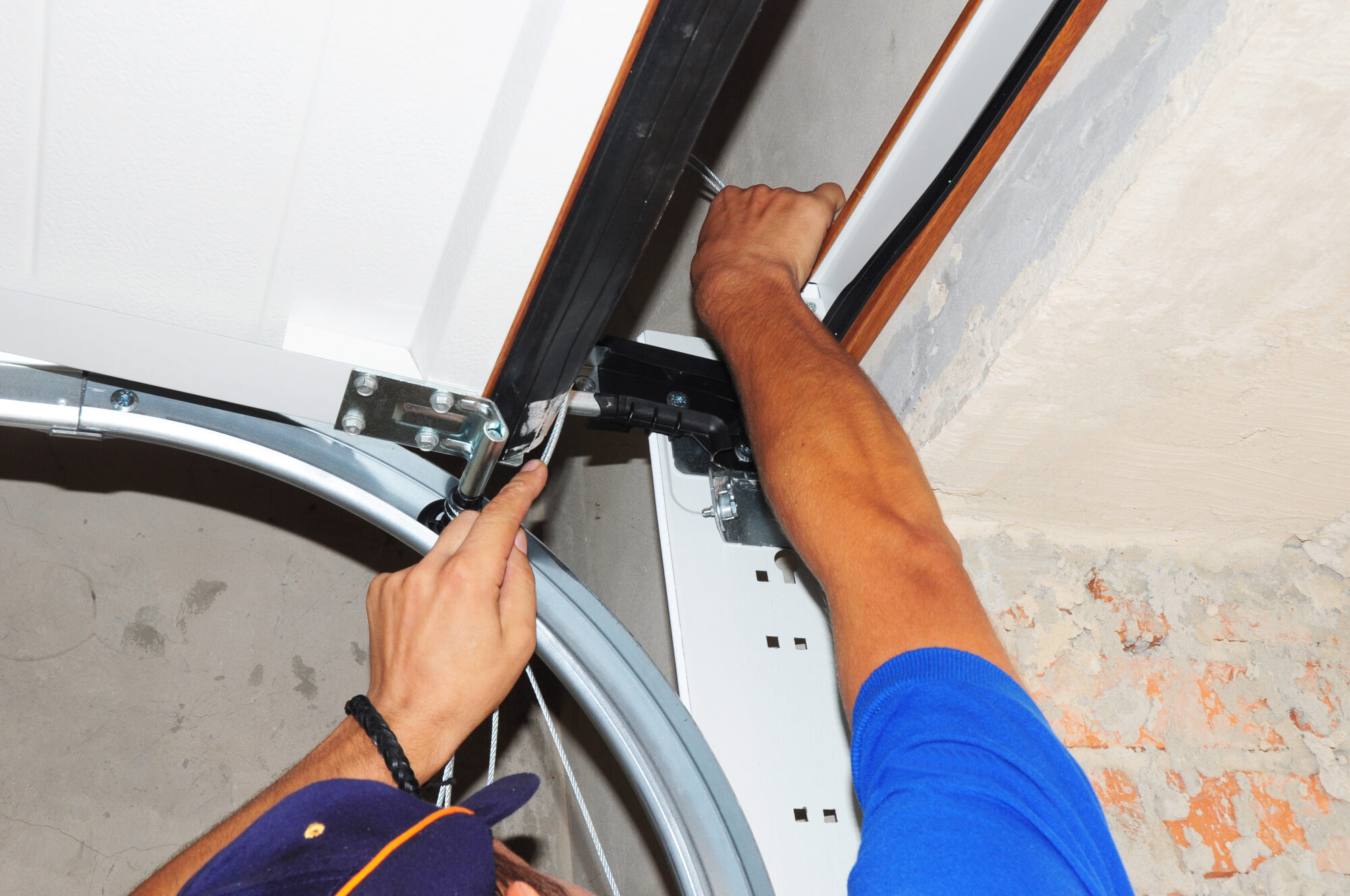
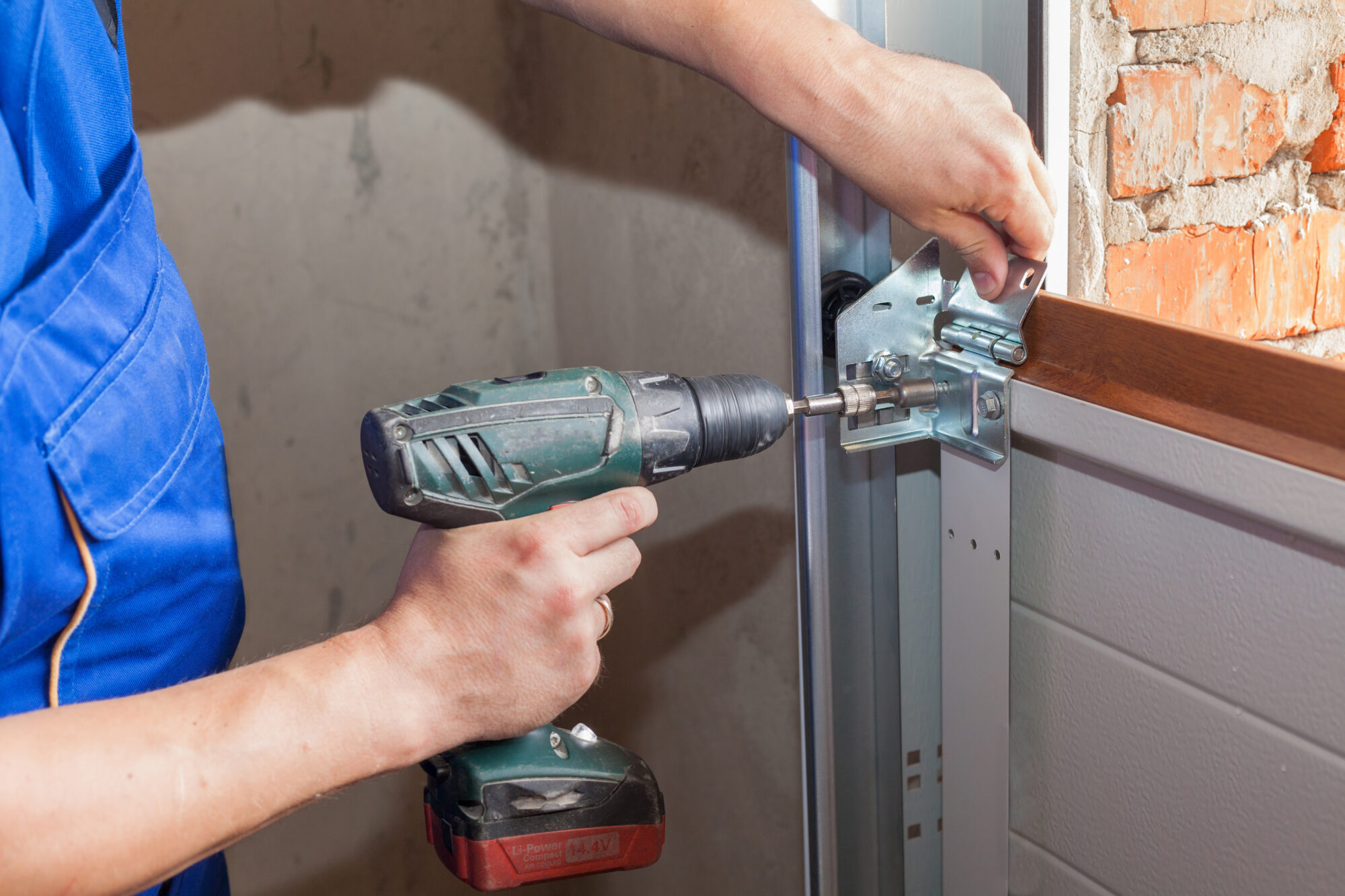
Torsion spring replacement is the more complex of the two jobs. The springs must be wound to a precise tension calibrated to your door's exact weight, and the process requires specialty winding bars and professional training. An improperly wound torsion spring can unwind violently, causing serious injury. Extension spring replacement is somewhat more accessible but still carries risk from the cables and pulleys under tension. In both cases, the repair also involves inspecting the cables, drums, and bearings that work alongside the springs. A professional technician will replace the spring with the correct cycle-rated replacement and test the door's balance before leaving.
Should You Replace One Spring or Both?
If your garage door uses two torsion springs and one breaks, most experienced technicians recommend replacing both at the same time. Because both springs were installed on the same day, they have the same number of cycles on them, meaning the second spring is likely close to the end of its life as well. Replacing both now saves you a second service call—and a second broken spring—in the near future. The same logic applies to extension springs. Paired replacement is a small additional cost that provides significant peace of mind.
When to Call McKinney Overhead Door
If you have confirmed or strongly suspect a broken garage door spring, this is the right time to call the professionals at McKinney Overhead Door at (972) 222-2345. Our technicians serve McKinney, Allen, Frisco, Prosper, and surrounding Collin County communities, and we carry a wide inventory of torsion and extension springs to handle most repairs the same day. We will assess the full spring system, verify cable and hardware condition, and balance the door properly after installation so your opener is not overworked. Whether it is a standard replacement or an emergency call, we are here to get your door moving safely again.
Preventing Future Broken Springs: Maintenance Tips
The best way to avoid an unexpected broken spring is to stay ahead of wear with routine maintenance. Lubricate your torsion or extension springs every six months with a dedicated garage door lubricant spray—avoid WD-40, which can wash out grease and attract dust. Have a professional perform a full door balance test annually; a properly balanced door places far less strain on the springs. If your current springs are standard 10,000-cycle units, consider upgrading to high-cycle springs rated for 25,000 or even 50,000 cycles, especially if your household opens and closes the door many times per day. Investing in better springs now costs less than repeated emergency service calls later.
Frequently asked questions
Need professional help?
Contact McKinney Overhead Door for fast, reliable service and a free estimate.