Garage Door Making Grinding Noise When Opening? Here's Why
Few things are more unsettling than walking into your garage and hearing a harsh grinding sound every time the door cycles open. A garage door making a grinding noise when opening is one of the most common service calls we receive here in McKinney and across Collin County — and for good reason. That noise is your door's way of telling you something mechanical needs attention before a minor issue becomes a major repair.
The good news is that many of the causes are identifiable and fixable without replacing the entire door system. This guide walks you through the most likely culprits, what to look for, and how to decide whether this is a DIY task or a job for a qualified garage door technician.
Why Garage Doors Grind: The Most Common Causes
A grinding noise is almost always a metal-to-metal or material-on-material friction problem. Unlike a squeaking door, which usually just needs lubrication, grinding often indicates actual wear or physical misalignment. Here are the top causes our technicians find in North Texas homes.
1. Worn or Damaged Rollers
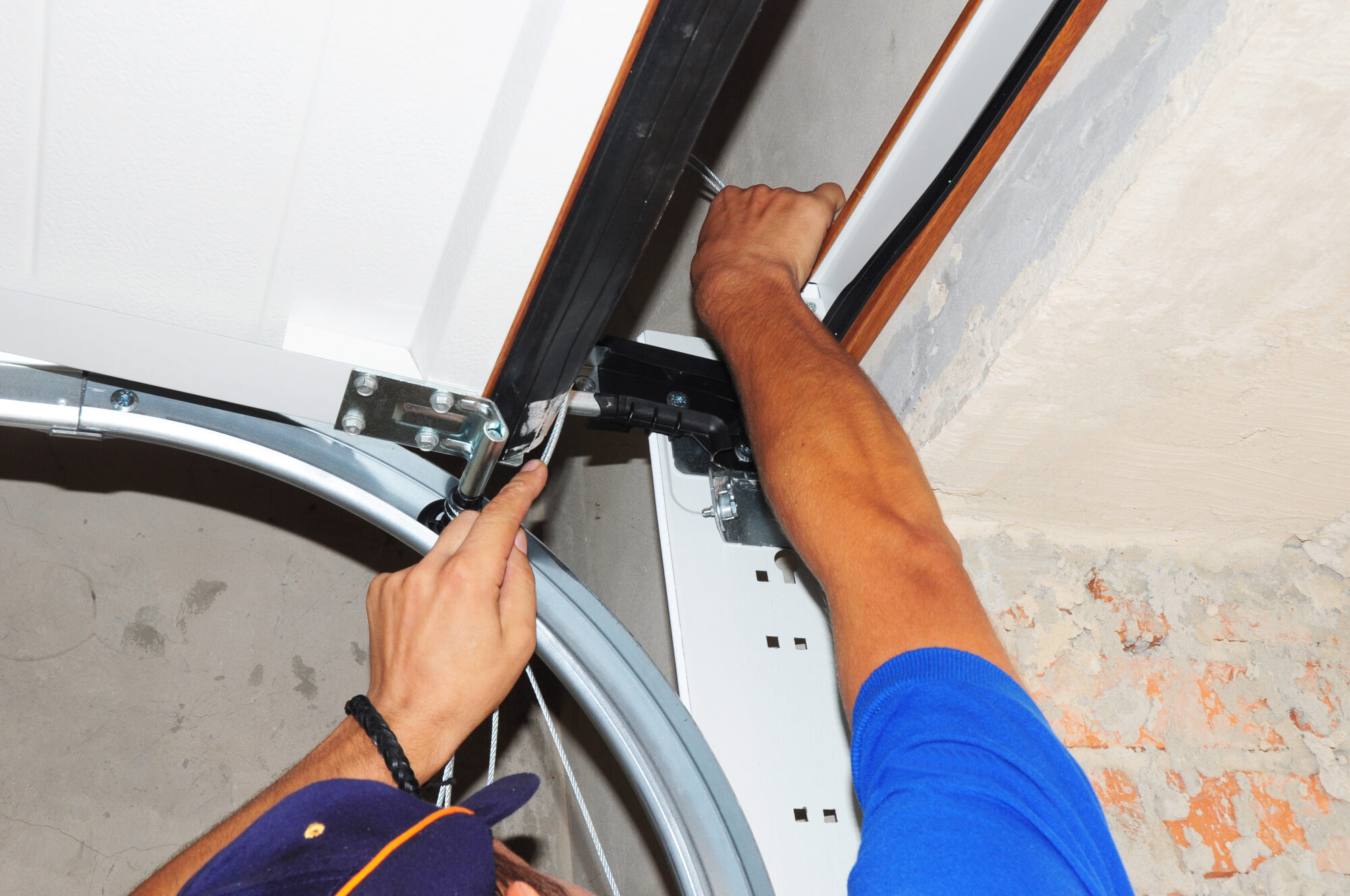
Rollers are the small wheels that guide your door along its tracks. Most residential doors come with nylon or steel rollers that have a lifespan of roughly 10,000 cycles. In McKinney's climate — with intense summer heat pushing 105°F and occasional winter ice — nylon rollers can crack and steel rollers can rust faster than in milder climates. A cracked or flat-spotted roller drags along the track instead of rolling smoothly, producing a distinct grinding or scraping sound. Inspect each roller by manually disconnecting the opener and slowly moving the door by hand to feel and hear where the resistance is.
2. Stripped Gear and Sprocket Assembly
If the grinding noise is coming from the opener unit mounted on your ceiling rather than the door itself, a stripped plastic gear inside the opener is the likely cause. Chain-drive and belt-drive openers use a plastic gear that meshes with the drive mechanism. Over time — especially if the door has been running under high resistance from worn rollers or a broken spring — that gear gets chewed up. You may also notice the opener motor running but the door not moving, which is a telltale sign. Replacing the gear-and-sprocket kit is a moderate repair that restores full function without buying a new opener.
3. Misaligned or Bent Tracks
Tracks that are even slightly out of alignment force rollers to scrape against the track wall rather than ride inside it cleanly. Track gaps or bends can result from impact damage, loose mounting hardware, or the natural settling of a home's framing over time. In older McKinney neighborhoods where homes have shifted with the clay-heavy North Texas soil, track alignment issues are surprisingly common. Look for visible gaps between the roller and the track edge, or sections of track that appear bent or crimped.
4. Dry or Corroded Hardware
All the pivot points on a garage door — hinges, torsion spring bearings, the center bearing plate, and roller stems — need periodic lubrication to move quietly. When this lubrication breaks down, metal components begin to grind against each other rather than glide. This is especially true after a North Texas summer where heat evaporates light lubricants quickly. Use a dedicated garage door lubricant (not WD-40, which is a solvent and can actually strip lubrication) on all hinges, roller stems, and spring coils every six months.
5. Torsion Spring or Cable Wear
A torsion spring that is beginning to fail can create a deep grinding or popping noise as the coils bind during winding or unwinding. Similarly, frayed lift cables can catch on hardware or the cable drum. These are serious components under extreme tension and should never be adjusted or replaced by an untrained homeowner. If you suspect the spring is the source of your grinding noise, stop using the door and call a professional immediately.
Step-by-Step: How to Diagnose the Grinding Noise Yourself
Before calling for service, a quick visual inspection can help you describe the problem accurately and potentially speed up your repair appointment. First, disconnect the automatic opener by pulling the red emergency release cord, then carefully open and close the door manually. Listen and feel for where the grinding originates — the opener unit, a specific section of track, or a particular roller. Next, visually inspect all rollers for cracks, flat spots, or rust. Check that both vertical tracks are plumb and that the gap between the roller and track wall is consistent. Finally, look at the opener unit: if the motor hums but the chain or belt isn't moving the carriage, a stripped gear is a strong possibility.
DIY Fixes vs. When to Call a Professional
Some grinding issues are genuinely DIY-friendly. Lubricating hinges, rollers, and spring coils with a quality garage door lubricant is a safe and effective maintenance task any homeowner can do in about 15 minutes. Tightening loose track mounting bolts is also within reach if you're comfortable with basic tools. However, replacing rollers on the bottom bracket near the cable drum, adjusting track alignment, swapping out a gear-and-sprocket kit, or anything involving torsion springs requires proper tools and experience. An improperly tensioned spring or a roller replaced while the door is under cable tension can cause serious injury. When the fix goes beyond lubrication and visual inspection, it's time to bring in a trained technician.
How McKinney's Climate Makes Grinding Worse
North Texas homeowners deal with a unique combination of heat, humidity spikes, and occasional hard freezes. Extreme summer heat degrades plastic components and bakes away lubrication. Humidity from spring storms accelerates corrosion on steel rollers and tracks. In winter, rapid temperature drops can cause metal parts to contract and bind. This means that a garage door in McKinney or Frisco may need lubrication and hardware inspection more frequently than manufacturer recommendations written for moderate climates suggest. A twice-yearly maintenance visit in spring and fall is a smart investment for any Collin County homeowner.
When to Call McKinney Overhead Door
If you've lubricated your hardware and the grinding noise persists, or if you can see cracked rollers, bent tracks, or a worn opener gear, it's time to call McKinney Overhead Door at (972) 222-2345. Our technicians serve McKinney, Allen, Frisco, Prosper, and surrounding communities with same-day and next-day appointments. We carry common replacement parts — including rollers, gear-and-sprocket kits, and bearing plates — on our service vehicles so most repairs are completed in a single visit. We'll give you a straightforward diagnosis and honest pricing before any work begins, so you can make an informed decision about your repair or replacement options.
Preventing Grinding Noises in the Future
The most effective way to avoid a garage door grinding noise when opening is consistent preventive maintenance. Lubricate all moving metal parts every six months, visually inspect rollers and tracks quarterly, and listen for changes in how your door sounds during normal use. Consider upgrading to sealed nylon rollers if your door still uses steel or basic nylon — sealed bearings last significantly longer and run much quieter. Scheduling an annual professional tune-up catches small issues like slightly bent tracks or a gear showing early wear before they turn into grinding and eventual failure. A well-maintained garage door should operate quietly and smoothly for many years, even in the demanding North Texas climate.
Frequently asked questions
Need professional help?
Contact McKinney Overhead Door for fast, reliable service and a free estimate.