Garage Door Won't Open in Cold Weather Texas: What to Do
When a cold front rolls through McKinney, Frisco, or Allen, most Texans aren't prepared for the havoc it can wreak on their garage doors. If your garage door won't open in cold weather here in Texas, you're not alone — even a brief overnight freeze can cause metal parts to contract, lubricants to thicken, and seals to bond to the concrete floor.
The good news is that many cold-weather garage door problems are diagnosable and fixable without professional help. But some issues — especially broken springs or damaged openers — require a trained technician. This guide walks you through the most common causes and safe solutions so you can make an informed decision quickly.
Why Cold Weather Hits Texas Garage Doors Hard
North Texas is not a cold-weather state by nature, which means garage doors, openers, and hardware installed here are sometimes optimized for heat tolerance rather than freeze resistance. When temperatures drop below freezing — even for just one night — components that work flawlessly in mild weather can suddenly fail. Metal contracts, plastic becomes brittle, and lubricants that were fluid at 60°F turn into thick grease at 28°F. The result is a door that strains, stalls, or refuses to move at all.
Common Reasons Your Garage Door Won't Open in Cold Weather
1. Contracted or Stiff Torsion Springs
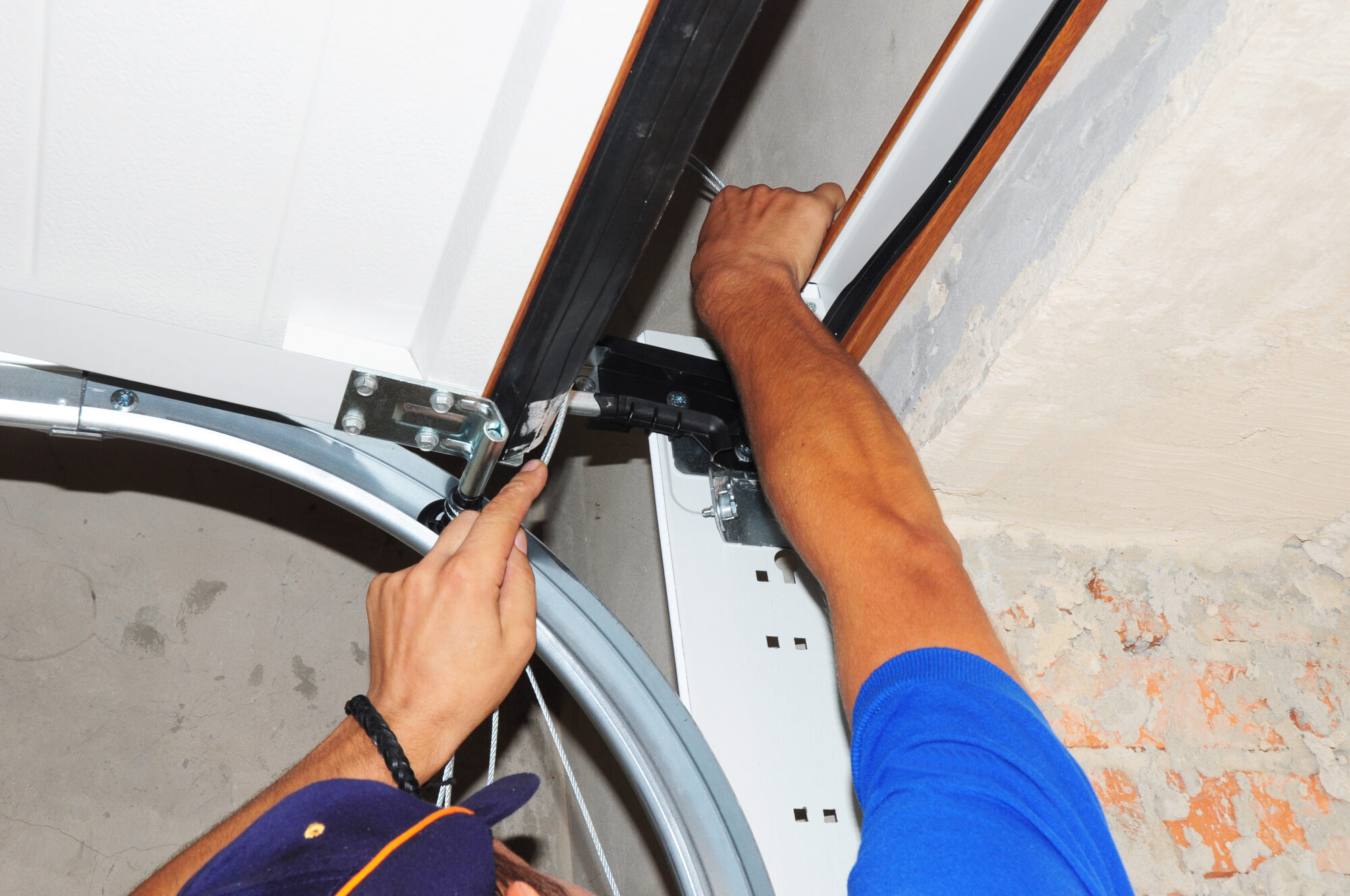
Torsion springs above your garage door are under enormous tension at all times. Cold weather causes the steel to contract, which changes the spring's tension balance and can make the door feel incredibly heavy to the opener. In some cases, the spring snaps entirely — a loud bang you might hear in the early morning. A broken torsion spring is a common emergency call we receive in Collin County after overnight freezes, and it is not a DIY repair. Attempting to replace a spring without the right tools can cause serious injury.
2. Thickened or Dried-Out Lubrication
Standard grease and oil-based lubricants can thicken dramatically in cold temperatures, turning from a smooth coating into a sticky, movement-restricting paste. This affects rollers, hinges, and tracks. If your door sounds like it's grinding or moving in slow motion during a cold snap, stiff lubrication is often the first suspect. Use a silicone- or lithium-based lubricant rated for temperature extremes — spray it on the rollers, hinges, and torsion spring (not the tracks) and manually operate the door a few times to work it in.
3. Frozen Bottom Seal
After a freezing rain or an overnight hard freeze, the rubber weather seal along the bottom of your garage door can bond directly to the concrete floor. When your opener tries to lift the door, it pulls against a frozen anchor point. This is one of the most damaging cold-weather scenarios because the motor can strip its gears or a spring can break before the seal releases. Before hitting the wall button after a Texas freeze, visually inspect the bottom seal and try to gently break the ice bond by hand or with a rubber mallet. A hair dryer or de-icer spray works well on stubborn spots.
4. Cold-Affected Garage Door Opener
Garage door openers contain circuit boards, capacitors, and — in the case of battery backups — lithium or lead-acid batteries, all of which perform poorly in extreme cold. If the opener hums but the door doesn't move, or if the remote range has dramatically shortened, the opener electronics may be struggling. Warming the garage slightly with a portable heater for 15-20 minutes before trying the opener can help. If the remote works but the wall button doesn't (or vice versa), the issue may be isolated to one component.
5. Misaligned or Contracted Metal Tracks
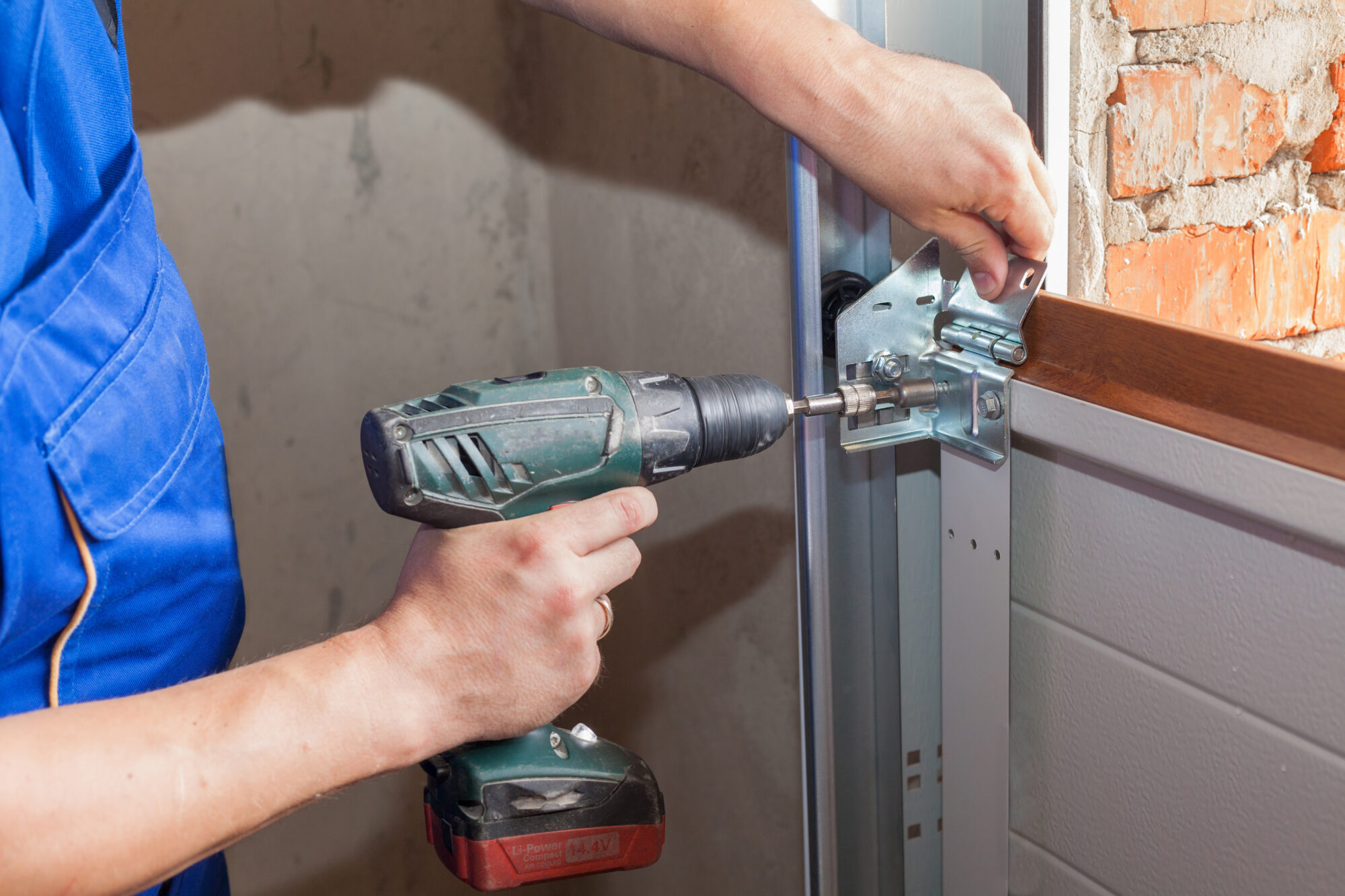
Metal tracks can shift slightly when temperatures swing dramatically — common in North Texas where a 40-degree temperature drop in 24 hours isn't unusual. Even a small gap or kink in the track can cause the rollers to bind and the door to stop mid-travel. Inspect the tracks visually for bends or gaps at the bracket joints. Minor gaps can sometimes be tapped back with a rubber mallet, but significant track damage should be evaluated by a professional.
6. Safety Sensor Issues in Cold Weather
The photo-eye sensors near the bottom of your garage door frame are sensitive to condensation and frost. If cold, moist air causes moisture to collect on the sensor lens, the beam breaks and the opener refuses to close or open the door as a safety measure. Wipe the sensor lenses with a dry cloth and check that the indicator lights are solid (not blinking). Realign them if needed by loosening the mounting bracket and pointing each sensor directly at its partner.
Step-by-Step: What to Do When Your Garage Door Won't Open in the Cold
First, disconnect the opener by pulling the red emergency release cord and try to lift the door manually. If it lifts smoothly by hand, the problem is likely the opener. If it feels extremely heavy or won't budge, suspect the springs. Next, check the bottom seal for ice adhesion, inspect the sensor lights, and look for obvious track damage. Apply a fresh coat of silicone-based lubricant to all moving metal parts. If the door still won't operate safely after these steps, do not force it — repeated forcing can compound the damage significantly.
When to Call McKinney Overhead Door
Some cold-weather garage door problems go beyond what's safe to handle on your own. If you suspect a broken torsion spring, hear loud popping sounds, notice the door is visibly off its tracks, or the opener is completely unresponsive after basic troubleshooting, it's time to call a professional. McKinney Overhead Door serves McKinney, Frisco, Allen, Prosper, and the surrounding Collin County area with experienced technicians who are ready for same-day service calls. We carry common springs, rollers, and opener parts on our trucks so most repairs are completed in a single visit. Give us a call at (972) 222-2345 and we'll get your door moving safely again.
Preventive Maintenance to Avoid Cold-Weather Failures
The best time to prepare for a Texas cold snap is before it arrives. Each fall, lubricate all moving parts with a silicone or white lithium spray, test your garage door balance by disconnecting the opener and lifting it halfway manually (it should stay in place), inspect the bottom seal for cracks or brittleness, and verify that your opener's battery backup is fully charged. Replacing an aging bottom seal costs very little compared to the damage a frozen seal can cause to springs and opener gears. A seasonal tune-up from a local garage door company is one of the most cost-effective ways to protect your investment before winter weather hits North Texas.
Frequently asked questions
Need professional help?
Contact McKinney Overhead Door for fast, reliable service and a free estimate.