Why Your Garage Door Won't Open in Cold Weather Texas
North Texas winters are famously unpredictable. One week it's 70°F, and the next morning you're scraping ice off your windshield — and staring at a garage door that won't budge. If your garage door won't open in cold weather in Texas, you're not alone. The region's dramatic temperature swings put extra stress on garage door components that weren't necessarily designed for harsh, sustained freezing conditions.
The good news is that many cold-weather garage door problems have straightforward causes and solutions you can address yourself. Others — like broken springs or a damaged opener — require professional attention. This guide walks you through the most likely culprits and what you can do right now to get your door moving again.
Why Cold Weather Affects Garage Doors in North Texas
Metal contracts in cold temperatures. That simple physics principle affects nearly every component in your garage door system — springs, tracks, rollers, and hinges all become stiffer as the mercury drops. In Collin County, a rapid overnight freeze following a warm spell can tighten everything up faster than a gradual northern winter would. Add in moisture from rain or sleet, and you have a recipe for a door that struggles or refuses to open entirely.
1. Frozen Bottom Seal Stuck to the Ground
One of the most common reasons a garage door won't open in cold weather in Texas is a frozen bottom seal. Overnight moisture — rain, sleet, or condensation — can pool along the base of your door and freeze solid, essentially gluing the rubber seal to the concrete floor. When the opener tries to lift the door, it either can't break the seal free or it strains so hard that it trips the safety mechanism and stops.
How to Fix a Frozen Garage Door Seal
Use a plastic scraper or a wooden wedge to gently work along the bottom of the door. You can also pour warm (not boiling) water along the base to melt the ice. Never crank the wall button repeatedly to force the opener to break the seal — doing so can tear the rubber weatherstripping, bend door panels, or burn out your opener motor. Once the door is free, thoroughly dry the threshold and apply a silicone-based lubricant to the seal to resist future freezing.
2. Cold-Thickened or Missing Lubrication
Standard petroleum-based greases and lubricants thicken significantly when temperatures drop. Rollers, hinges, and the torsion bar can become stiff enough to slow or stop door movement entirely. In McKinney and the surrounding Collin County area, garages that aren't climate-controlled see wide temperature swings that accelerate lubricant breakdown. If your door moves slowly or makes grinding noises in the cold, lubrication is often the first place to look.
The Right Lubricant for Texas Winters
Apply a silicone-based or lithium-based garage door lubricant to the rollers, hinges, torsion spring, and tracks. Avoid WD-40 as a long-term solution — it's a solvent, not a true lubricant, and it can actually strip existing grease away. A proper application once or twice a year, ideally before temperatures drop in late fall, keeps everything moving smoothly through even the coldest North Texas nights.
3. Contracted Metal Springs and Tracks
Torsion springs above your garage door and extension springs along the sides are under enormous tension. Cold temperatures make metal more brittle and cause it to contract, which changes spring tension and can cause the door to feel much heavier than usual. Your opener is calibrated for a balanced door — if the springs lose tension in the cold, the opener may detect extra resistance and reverse or stop. In severe cases, a brittle spring can snap entirely, leaving the door inoperable and potentially dangerous.
Signs Your Springs May Be the Problem
Listen for a loud bang from the garage — that's a classic sign of a broken torsion spring. You may also notice the top of the door bowing outward, cables hanging loose, or the door lifting just a few inches before stopping. Do not attempt to operate a door with a broken spring, and do not try to replace springs yourself. The tension stored in these components is enough to cause serious injury. Call a certified technician right away.
4. Garage Door Opener Struggling in the Cold
Garage door openers have motors, circuit boards, and sometimes battery backup systems that are all sensitive to temperature extremes. In a cold garage, the motor may struggle to develop enough torque, or the logic board may behave erratically. If your opener hums but the door doesn't move, or if the lights flicker without the door responding, cold-related electrical issues could be the cause. Check that the opener's travel and force settings haven't been knocked out of calibration — some units automatically adjust, but others need manual recalibration after extreme temperature changes.
5. Misaligned or Warped Tracks
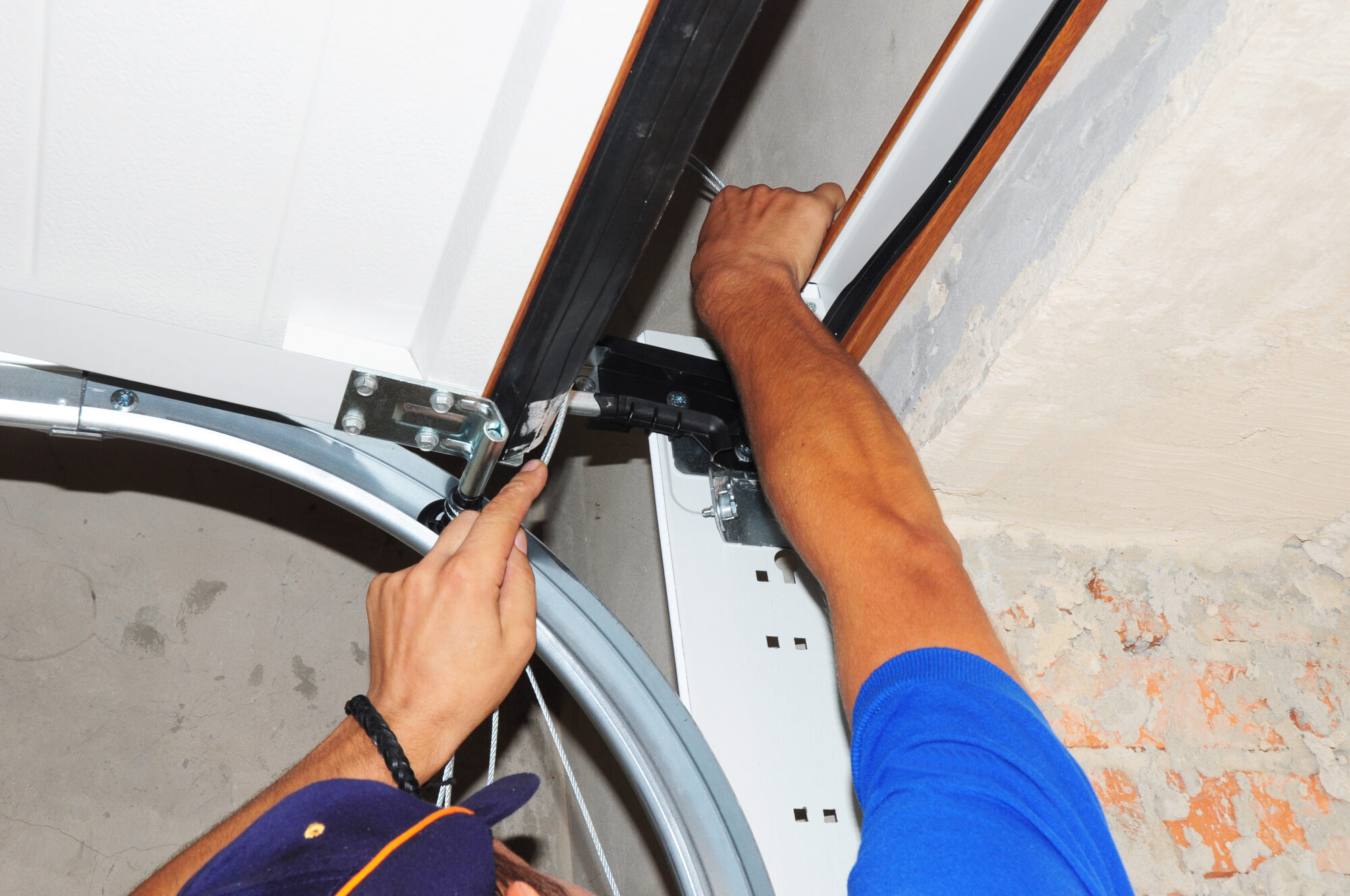
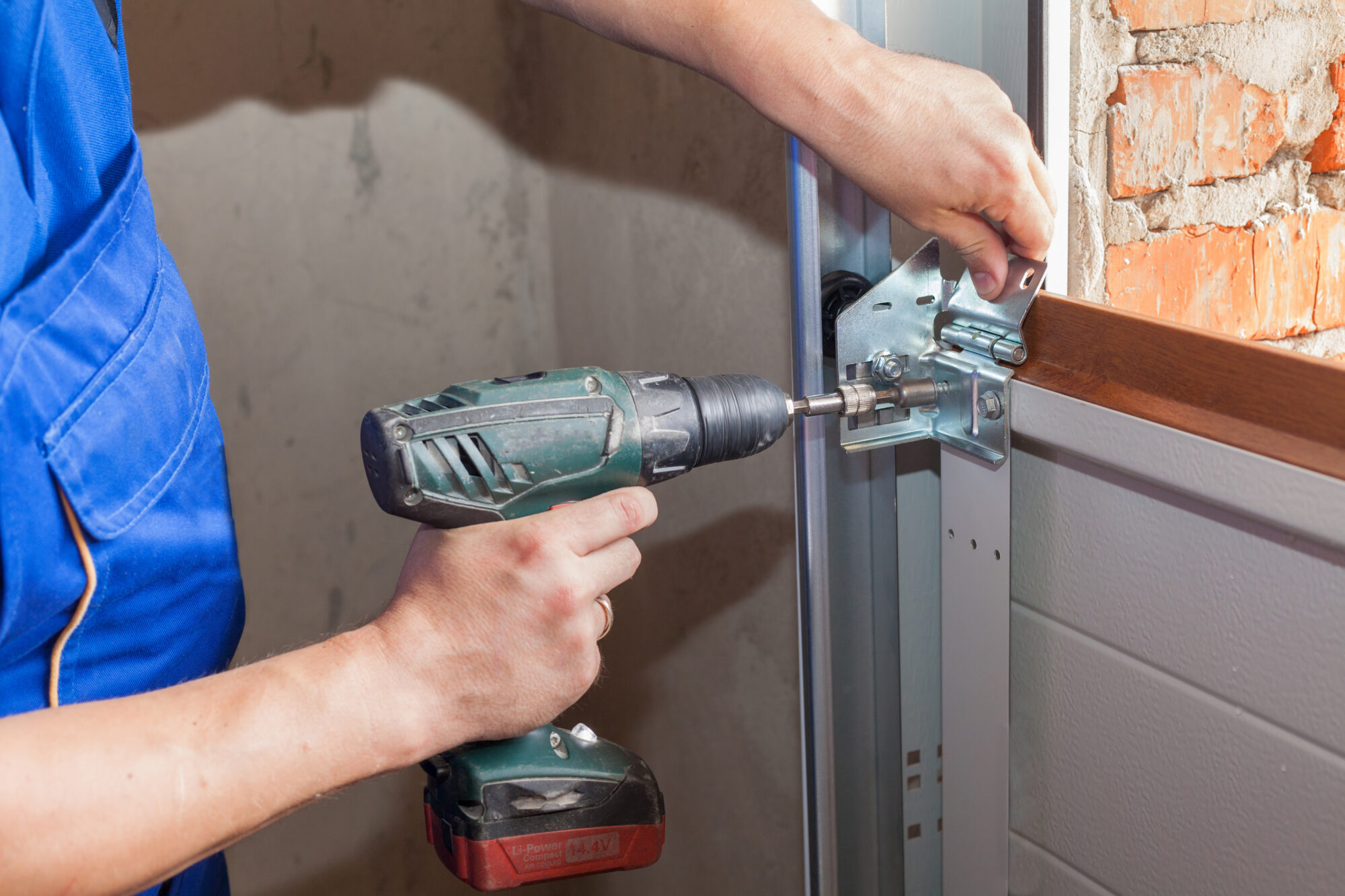
Metal tracks can warp or shift slightly during rapid temperature swings. Even a small gap or bend in the track can cause the rollers to bind, stopping the door mid-travel or preventing it from opening at all. Check the tracks visually for gaps between the track and the wall bracket, and look for any visible bends or dents. Minor misalignment can sometimes be corrected by loosening the mounting bolts, tapping the track back into position, and retightening — but if the track is significantly bent or the door is jumping off the track, that's a job for a professional.
When to Call McKinney Overhead Door
Some cold-weather garage door issues are quick DIY fixes — melting a frozen seal or applying fresh lubricant can take less than 15 minutes. But broken springs, a failing opener, damaged cables, or badly misaligned tracks are situations where calling a professional is the safest and smartest choice. McKinney Overhead Door serves McKinney, Allen, Frisco, Plano, and the surrounding Collin County area. If your garage door won't open in cold weather and you've run through the basics without success, give us a call at (972) 222-2345. We offer prompt service and honest diagnostics so you're not left stranded in the cold.
Preventing Cold-Weather Garage Door Problems in the Future
A little seasonal maintenance goes a long way in North Texas. Each fall, lubricate all moving metal parts with a silicone or lithium-based product, inspect the bottom seal and replace it if cracked or brittle, test the door's balance by disconnecting the opener and lifting the door manually (it should stay open at waist height), and clear any debris from the tracks. If your door is more than 15 years old or has been requiring frequent repairs, it may be time to consider a replacement model with better insulation and weather-resistant components suited to Texas climate conditions.
Frequently asked questions
Need professional help?
Contact McKinney Overhead Door for fast, reliable service and a free estimate.