
Opener Repair
Garage Door Opener Repair & Installation in McKinney, TX
A failing garage door opener is more than an inconvenience—it can leave your vehicle trapped, your home unsecured, and your schedule derailed. McKinney Overhead Door diagnoses and fixes opener problems correctly the first time, with free on-site estimates and around-the-clock emergency availability.
Get a Free EstimateYour garage door opener does quiet, repetitive work every single day. Over years of use, motors wear, drive systems fatigue, logic boards fail, and safety components drift out of spec. When something goes wrong, the symptoms range from a door that reverses for no apparent reason to one that simply refuses to respond to any command. Understanding what type of opener you have, how it works, and what failure looks like helps you have a smarter conversation with a technician—and helps you make a confident decision about repair versus replacement.
McKinney Overhead Door is a locally owned company serving homeowners and business owners throughout McKinney, Allen, Frisco, Prosper, Melissa, Princeton, Fairview, and Plano. Our technicians work on every major opener brand and drive type, carry a wide selection of replacement parts and new units on their trucks, and are available 24 hours a day, seven days a week for situations that simply cannot wait until morning. Every service call begins with a thorough inspection and a free, no-obligation estimate so you know exactly what you are dealing with before any work begins.
Chain, Belt, Screw, and Wall-Mount Jackshaft Openers: Choosing the Right Drive System
Not all openers move the door the same way, and the differences matter for noise level, maintenance requirements, and long-term reliability. A chain drive uses a metal chain—similar to a bicycle chain—to pull a trolley along a rail. Chain drives are durable and handle heavy doors well, but the metal-on-metal contact produces noticeable noise and vibration, which can be a drawback if a bedroom sits above or beside the garage.
A belt drive replaces that chain with a reinforced rubber belt, dramatically reducing operating noise. Belt drives are a popular choice for attached garages where quiet operation is a priority. A screw drive uses a threaded steel rod to move the trolley. It has fewer moving parts than chain or belt systems, which can mean less routine maintenance, but it can be sensitive to temperature swings—something worth considering in North Texas where summer heat is intense.
A wall-mount jackshaft opener mounts beside the door on the wall rather than overhead on a rail. It drives the torsion bar directly, freeing up ceiling space—ideal for high-lift doors, cathedral ceilings, or garages used as workshops. Jackshaft openers tend to be quieter than chain drives and are increasingly popular in newer construction. Our technicians can walk you through which system makes practical sense for your door weight, garage layout, and daily use patterns.
Smart Wi-Fi Openers and Battery Backup: Modern Features Worth Understanding
Smart openers connect to your home Wi-Fi network and allow you to open, close, and monitor your garage door from a smartphone app—anywhere you have cell or internet service. If you have ever driven away wondering whether you remembered to close the door, a smart opener with real-time status alerts eliminates that uncertainty. Many models integrate with popular smart home platforms, allowing voice commands and automation routines.
Battery backup is a feature that deserves more attention than it typically gets. During a power outage—whether from a summer storm or a grid issue—a standard opener becomes inoperable, which can strand a vehicle inside or lock you out when you need access most. Openers with a built-in battery backup continue to function normally for a defined number of cycles after power loss. For households that rely heavily on the garage as the primary entry point, battery backup is a practical safety net rather than a luxury upgrade.
If your current opener is more than ten to fifteen years old and lacks these features, a replacement may offer meaningful improvements in both convenience and security. We can demonstrate current smart opener options during your free estimate appointment and explain how they integrate with systems you may already own.
Safety Sensors, Auto-Reverse, and UL 325 Compliance
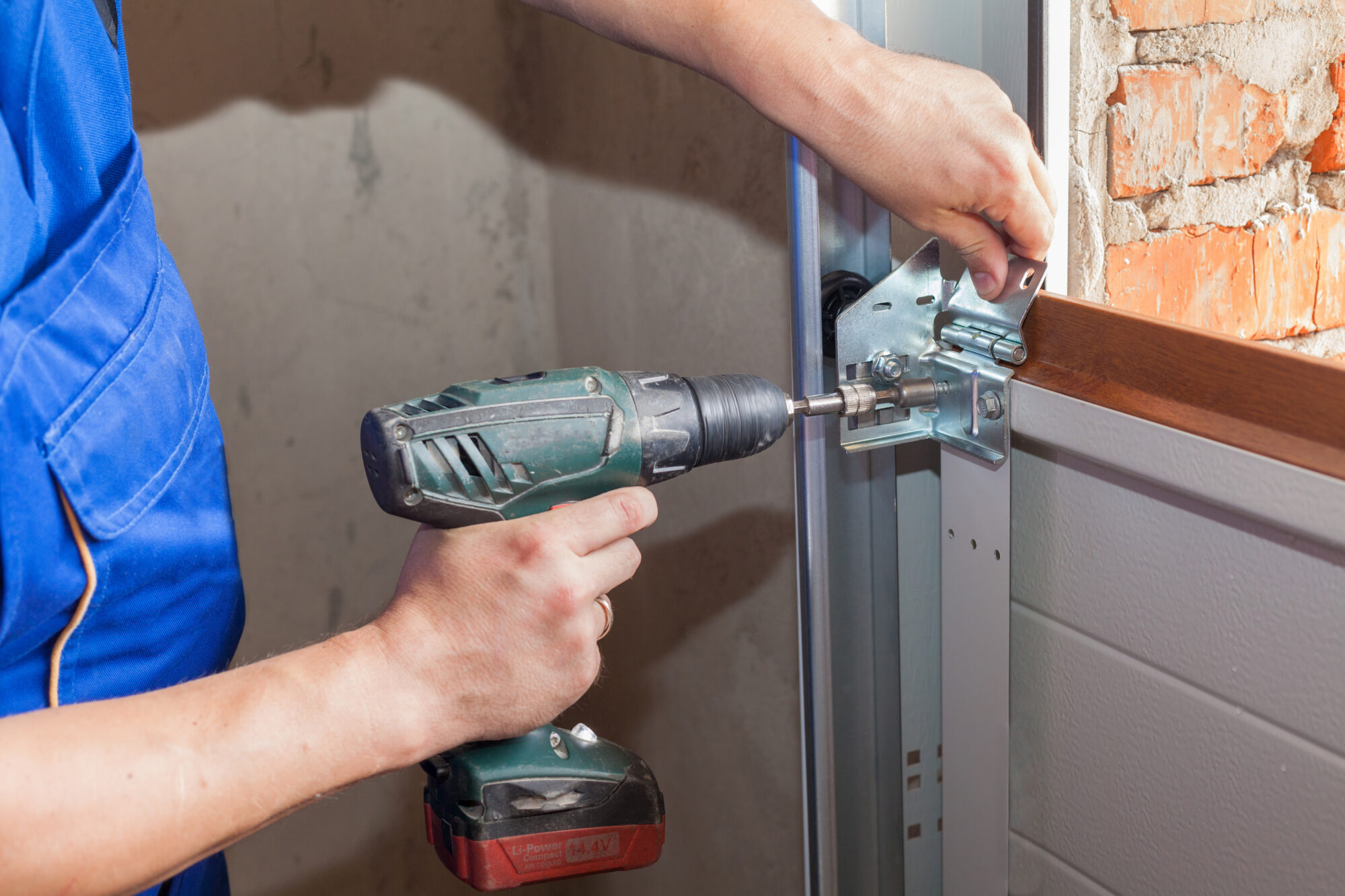
Since 1993, federal law has required residential garage door openers to include an entrapment protection system. The UL 325 standard governs this requirement, and it is enforced through two complementary safety mechanisms: photoelectric sensors mounted near the floor on each side of the door opening, and an auto-reverse function triggered by physical resistance. If the door's path is interrupted by a person, pet, or object, the opener must reverse direction immediately.
Sensors fall out of alignment, accumulate dust and grime on their lenses, or suffer wiring damage over time. When they malfunction, the door may refuse to close entirely, may reverse before reaching the floor for no visible reason, or may—more dangerously—fail to reverse when it should. None of these outcomes is acceptable. Our technicians test sensor alignment, signal strength, and auto-reverse force every time we service an opener, not just when sensors are the stated reason for the call.
If your opener predates the 1993 requirement or if its safety components are confirmed defective and cannot be economically repaired, replacement is the responsible path forward. We will be direct with you about that assessment rather than applying a temporary fix to a system that no longer meets current safety standards.
Warning Signs Your Opener Needs Attention
Openers rarely fail without warning. Paying attention to early symptoms lets you schedule a repair on your terms rather than dealing with a complete failure at an inconvenient moment. The following signs indicate it is time to have the system inspected.
Intermittent response to remotes or wall buttons is one of the earliest indicators of a failing motor or logic board. Grinding, straining, or unusually loud operation often points to a worn drive component or insufficient lubrication. A door that reverses immediately after touching the floor typically signals a problem with either the auto-reverse force settings or the safety sensors. A door that moves slower than it used to may indicate a motor nearing the end of its service life. Visible sparking, burning smell, or tripped circuit breakers require immediate attention and should not be operated until inspected.
- Opener activates but door does not move
- Remote or keypad works inconsistently or only at close range
- Door reverses before or immediately after closing
- Grinding, scraping, or straining sounds during operation
- Opener runs but stops before the door fully opens or closes
- Wall button works but remote does not (or vice versa)
- Opener light does not function
- Door moves visibly slower or faster than normal
Repair vs. Replace: How to Think Through the Decision
Not every opener problem justifies full replacement, and not every repair is a sound investment. A straightforward component swap—replacing a worn gear kit, a failed capacitor, a stripped drive sprocket, or misaligned sensors—on an otherwise solid unit can restore years of reliable service at a fraction of the cost of a new opener. These are repairs worth making.
Replacement becomes the more logical choice under several conditions: the opener is more than twelve to fifteen years old and has had repeated failures; the motor or logic board has failed and replacement parts are no longer readily available or are nearly as costly as a new unit; the opener lacks modern safety features and cannot be economically upgraded; or the customer wants smart home integration, battery backup, or a quieter drive type that the existing unit simply cannot provide.
Our technicians will give you an honest, specific assessment of your opener's condition during the free estimate. We will tell you clearly when a repair makes sense and when investing in a new unit is the smarter long-term decision. We have no interest in selling a replacement when a repair will serve you well—and no interest in patching a failing system that will call us back in three months.
Remote and Keypad Programming
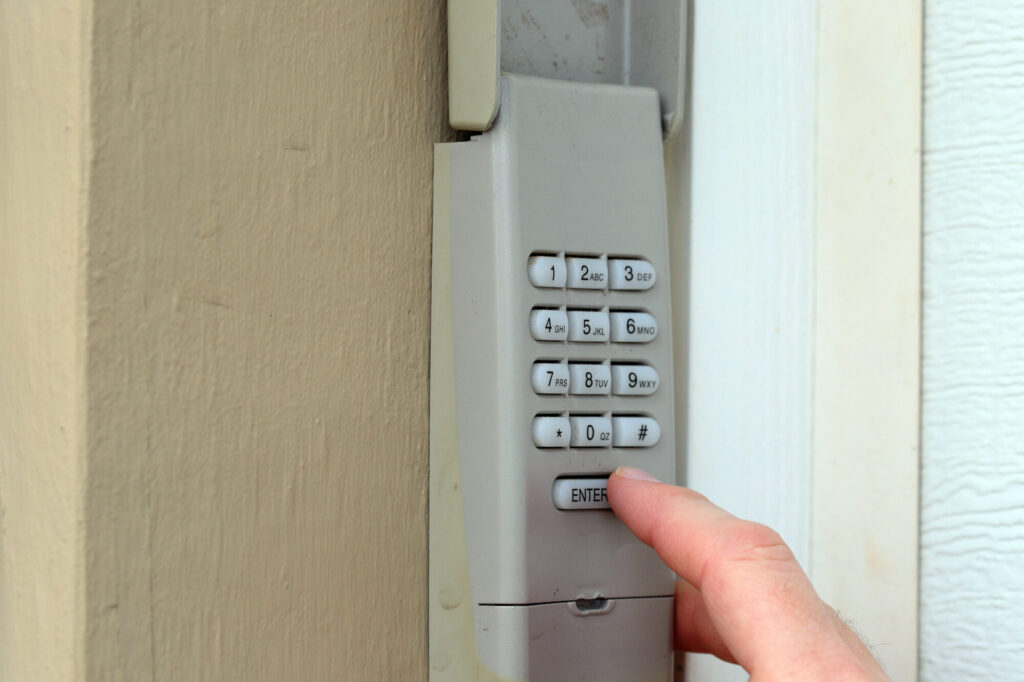
Lost remotes, new vehicles, recently purchased homes, and system resets all create situations where remotes and keypads need to be programmed or cleared. Most modern openers use a rolling-code technology that generates a new encrypted code with every button press, which is far more secure than the fixed-code systems used in older units. Programming procedures vary significantly between brands and model generations, and incorrect attempts can lock out all existing remotes.
Our technicians program remotes, keypads, and vehicle HomeLink systems as part of any opener service call and as a standalone service when needed. We also clear all previously stored codes when requested—useful when you move into a home and want certainty that no prior remotes retain access. If you are purchasing a smart opener, we can assist with the initial Wi-Fi setup and app configuration on-site before we leave.
What Affects the Cost of Opener Repair or Installation
Several variables influence what a garage door opener job costs, and understanding them helps set reasonable expectations before our technician arrives. Every job at McKinney Overhead Door starts with a free on-site estimate, so you will have a clear, specific number before any work begins.
For repairs, the primary cost factors are the specific component that has failed, the availability of that part for your opener's brand and model, and the labor time required to access and replace it. Older or discontinued models may require sourcing less common parts. Jobs that uncover secondary issues—worn drive components discovered while replacing a logic board, for example—may require additional work that the initial inspection did not anticipate.
For new opener installation, cost factors include the drive type you select (chain, belt, screw, or jackshaft), the horsepower rating appropriate for your door's weight and size, whether the unit includes smart connectivity and battery backup, the number of remotes and keypads needed, and whether any existing hardware such as the rail, trolley, or safety sensors can be reused or needs replacement. Installation on a commercial door or a door with non-standard hardware typically requires additional labor. Our technician will assess all of these factors during the free estimate visit and provide a complete, itemized quote.
Our Service Process, Step by Step
When you call McKinney Overhead Door at (972) 222-2345, we gather basic information about your opener type, the symptoms you are experiencing, and your availability. We schedule a visit that works for your schedule—including same-day and emergency appointments when the situation requires it.
On arrival, our technician performs a systematic inspection of the entire opener system: motor and drive components, safety sensors and auto-reverse function, logic board and wiring, remote and keypad response, and the door's balance and travel. A door that is out of balance places excessive strain on the opener motor and is a common hidden cause of premature opener failure, so we check both together.
After the inspection, we walk you through our findings in plain language and present the free estimate. We explain what failed, why it failed, what the repair or replacement involves, and what you can expect from the result. Once you approve the work, we complete the job using parts carried on the truck whenever possible. Before we leave, we test operation through multiple full cycles, verify sensor function and auto-reverse performance, and confirm that all remotes, keypads, and connected devices are working correctly. We also answer any questions about routine maintenance that can extend the life of your new or repaired opener.
FAQs
Opener Repair questions
Visit or call
McKinney Overhead Door
8720 Silverado Trail, Suite 104, McKinney, TX 75070
Open 24/7 · Emergency Service · (972) 222-2345
Get DirectionsFree Estimates · Same-Day Options
Schedule your free estimate
Call (972) 222-2345 — available 24/7 for emergencies.