
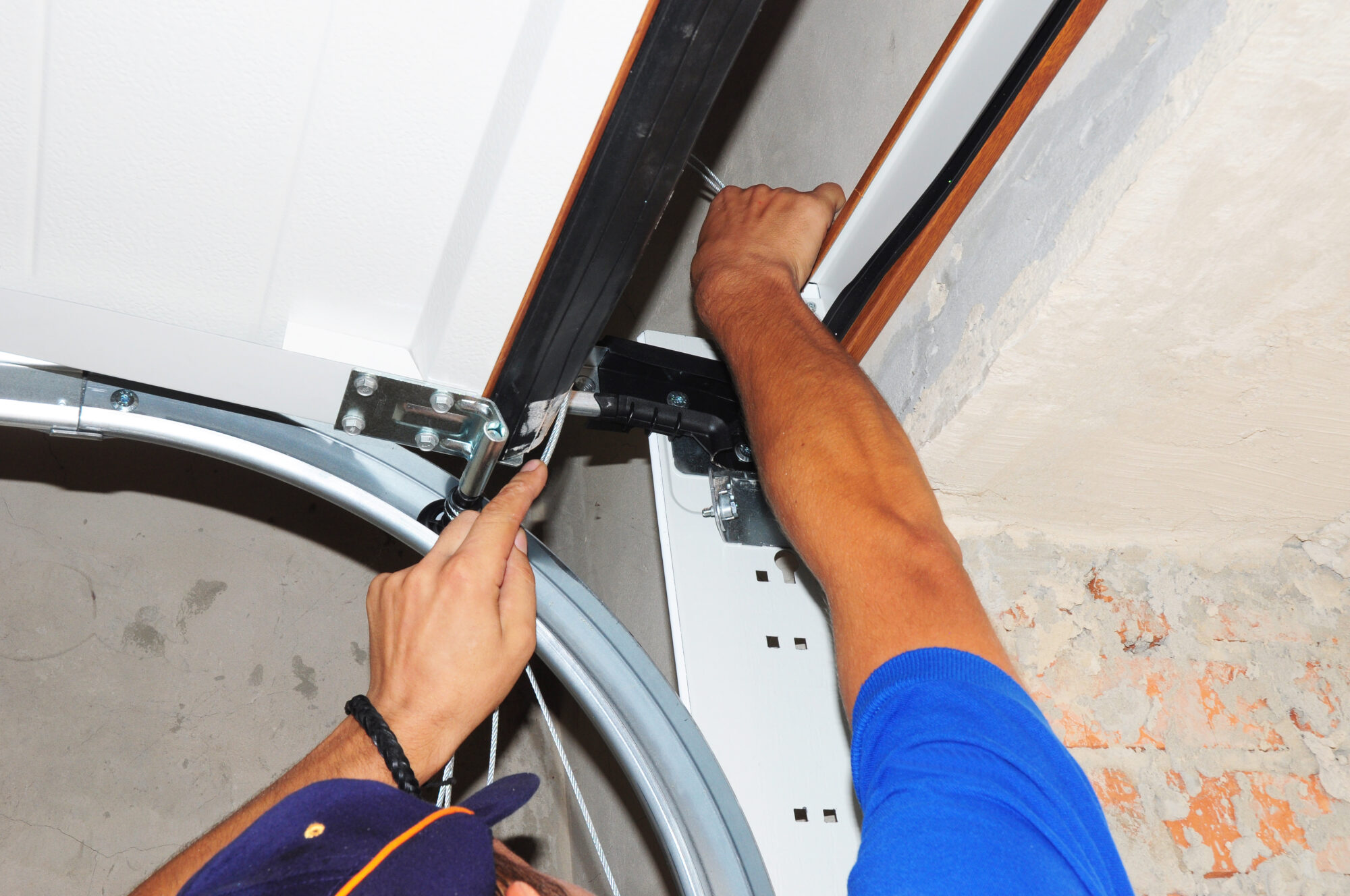
Garage Door Spring Repair in Frisco, Texas
A broken spring can trap your car inside, leave your garage wide open, or drop a door without warning. McKinney Overhead Door serves Frisco neighborhoods 24/7 with proper spring matching, safe replacement, and door balancing so everything works the way it should.
Frisco's explosive growth over the past two decades means the majority of homes here were built with builder-grade hardware — lightweight, non-insulated steel doors paired with basic torsion springs sized to a minimum spec. Those springs were never intended to be the last word in durability, and in a city where subdivisions like Phillips Creek Ranch, Starwood, Newman Village, and Richwoods all went up in a compressed window of time, a whole lot of those springs are now hitting the end of their service life at roughly the same moment. If your door suddenly refuses to open on a Tuesday morning when you're trying to get to the Dallas North Tollway, that's not a coincidence — it's a predictable outcome of builder-grade parts aging out.
West-facing garages in Frisco take a specific kind of punishment. Through a long Texas summer, the afternoon sun hammers the door panels, the opener housing, and especially the spring hardware mounted to the horizontal tracks and torsion bar. Repeated thermal expansion and contraction accelerates metal fatigue in the spring coils. Add in the stop-and-go daily cycle of a busy household — school runs near SH-121, commutes downtown via the tollway, weekend trips to The Star or Frisco Square — and a standard spring rated for 10,000 cycles can wear down faster than the calendar suggests. Understanding what type of spring you have, what actually broke, and how to replace it correctly is the difference between a door that works safely for years and one that fails again in six months.
Torsion vs. Extension Springs: What Frisco Homes Typically Have
Most homes built in Frisco's major subdivisions use a single torsion spring mounted on a metal shaft above the door opening. Torsion springs work by winding stored energy into coils; when the door travels down, the spring winds tighter, and that stored tension is what lifts the door back up. Builder-grade torsion springs in this area were often spec'd at the lower end of wire gauge and cycle rating to keep construction costs down. A thinner wire gauge means less metal mass, which means faster fatigue — especially on lightweight non-insulated doors that cycle quickly and unevenly.
Older or smaller garages in parts of Frisco may still use extension springs — a pair of long coil springs that run parallel to the horizontal tracks on each side of the door. Extension springs stretch and contract rather than twist, and they carry a specific additional risk: when one breaks, the loose end of the spring can whip violently through the garage. That's exactly why safety cables threaded through the center of each extension spring are not optional equipment — they're a critical containment measure. If your door has extension springs and you can't see safety cables installed on both sides, that's something that should be corrected at the same time as any spring replacement.
- Torsion springs: mounted on shaft above door, store energy through coil tension
- Extension springs: run along horizontal tracks, stretch under load
- Builder-grade torsion springs in Frisco often have lower cycle ratings than premium alternatives
- Safety cables on extension springs prevent dangerous spring whip on failure
- Spring type, wire diameter, and inside diameter must all be matched to your specific door
Why Matching the Spring Matters — and Why DIY Is Genuinely Dangerous
A garage door spring is not a generic part. The correct replacement spring is determined by the door's weight, height, track radius, and the drum size on the torsion shaft. Wire diameter, inside diameter, and overall length all factor into the calculation. Installing a spring that's even slightly off in wire gauge will either leave the door underbalanced — meaning the opener motor strains on every cycle — or overbalanced, where the door shoots upward when released. Neither condition is safe, and both shorten the life of every other component in the system, including a builder-grade opener that may already be working harder than it should.
The practical danger of DIY spring replacement is not overstated. A torsion spring under full wind tension stores a significant amount of mechanical energy. Releasing that energy without the correct winding bars, proper technique, and a clear understanding of how many turns of tension are required for your specific door is how serious injuries happen. Extension springs are no safer — removing one without first clamping the door in place can allow the door to drop suddenly. We mention this not to be dramatic but because we regularly get calls from Frisco homeowners who started a spring job themselves and stopped partway through when they realized the risk. There's no judgment in that — stopping is the right call.
Our Spring Replacement Process, Step by Step
When a technician from McKinney Overhead Door arrives at your home in Frisco — whether that's a house off Eldorado Parkway in Newman Village or a property backing up to the greenbelt in Richwoods — the process starts with a full inspection, not just a look at the broken spring. We check the condition of the cables, drums, and rollers, because a spring failure sometimes reveals or causes secondary damage to adjacent components.
We then measure the door weight and confirm the correct spring specifications before any work begins. For torsion springs, we use calibrated winding bars to carefully unwind any remaining tension in the broken spring, remove it from the shaft, and install the matched replacement with the correct number of turns for your door height and drum size. For extension springs, we clamp the door secure before removing the old spring, install the new spring and verify the safety cable is properly threaded and anchored. The final and non-negotiable step is balancing: we disconnect the opener, lift the door manually to waist height, and release it. A properly balanced door stays put. If it drifts up or drops, we adjust the spring tension until the balance is correct. Only after that do we reconnect the opener and run full open-close cycles to confirm everything operates smoothly.
- Full system inspection before any parts are ordered or removed
- Spring specifications calculated from actual door measurements
- Torsion springs wound with calibrated bars to precise turn count
- Extension springs installed with safety cables on both sides
- Door balance tested manually before reconnecting opener
- Multiple open-close cycles verified before the job is complete
What Affects the Cost of Spring Repair in Frisco
Several specific factors influence what a spring repair job involves and therefore what it costs. The type of spring — torsion versus extension — is one factor. The wire gauge and cycle rating of the replacement spring is another: a standard builder-grade spring costs less than a high-cycle spring rated for significantly more cycles, but a high-cycle upgrade is often worth discussing on a door that gets heavy daily use in a busy Frisco household. If you have a double-car garage with a wide door, it may use two torsion springs side by side, which affects both parts and labor.
The condition of connected hardware matters too. Cables fray, drums develop flat spots, and end bearings wear — and a spring replacement is the logical time to address those items so you're not scheduling a second service call in a few months. Same-day and after-hours service is available for genuine emergencies, and the response time to most Frisco ZIP codes — 75033, 75034, 75035, and 75036 — is generally short given our location in McKinney. All estimates are free, and we'll walk you through the options before any work begins.
- Spring type: torsion or extension
- Wire gauge and cycle rating of replacement spring
- Single spring vs. double-spring configuration on wide doors
- Condition of cables, drums, and end bearings
- Whether safety cable installation is needed on extension spring systems
- Standard service vs. emergency after-hours response
Keeping Your Springs Lasting Longer in Frisco's Climate
The thermal stress on west-facing garages in Frisco is real, and while you can't reorient your house, you can do a few things to reduce how quickly that stress translates into spring wear. Lubricating the spring coils, cables, and rollers with a dedicated garage door lubricant — not WD-40, which is a solvent and dries out metal — two or three times a year makes a measurable difference in how smoothly the system cycles and how much friction builds up in the coils over time. A few minutes with a can of spray lubricant in spring and fall is genuinely useful maintenance.
Consider upgrading to high-cycle springs when your current springs reach end of life. For a household that cycles the garage door four, five, or six times a day — which is common in a neighborhood with multiple drivers and an attached garage serving as the primary home entrance — the additional cycle rating of a premium spring pays for itself in fewer replacements over the years. If you're unsure whether your springs are builder-grade originals, a technician can tell you on inspection. McKinney Overhead Door serves all of Frisco and the surrounding area from our location in McKinney — call (972) 222-2345 for a free estimate or emergency service any time.
Google Reviews
Rated 5.0 by Frisco-area homeowners
"Amazing service! Super knowledgeable and explained what went wrong with my garage. I highly recommend them to anyone!"
"Did a fast and fantastic job for a referral client who needed to sell in McKinney ASAP to move closer to family across the state. The garage doors really improved the curb appeal of the house making for a quick and easy sale and now my happy clients are enjoying life on the coast!"
"Quick service, great techs, great prices! Great communication!"
FAQs
Spring Repair questions from Frisco
More garage door services in Frisco
Free Estimate
Book spring repair in Frisco
Dispatched from 8720 Silverado Trail, Suite 104, McKinney, TX 75070
(972) 222-2345