
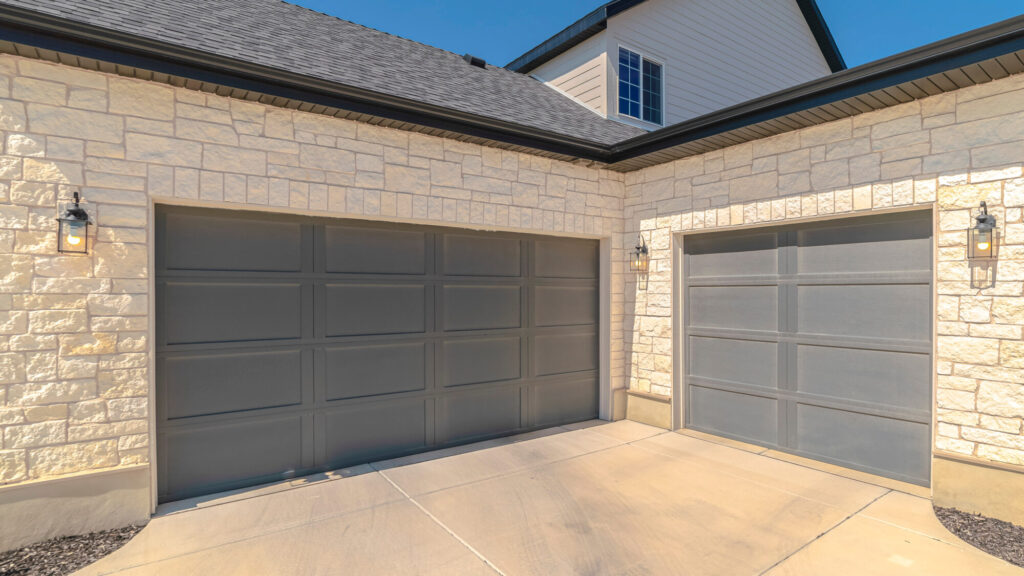
Brands We Carry
Garage Door & Opener Brands We Install in McKinney, TX
Choosing the right garage door or opener means weighing construction quality, insulation, style, and long-term reliability—not just the sticker on the box. At McKinney Overhead Door, we carry a carefully selected lineup of door and opener brands so we can match every home and budget to the right product, backed by installation and service from a locally owned team that knows Collin County.
Get a Free EstimateClopay
Popular residential steel, insulated, carriage-house and wood-look door collections in a wide range of styles and colors.
Amarr
Steel and carriage-style doors with classic raised-panel and modern designs, plus insulated options for Texas heat.
Mid-America
Durable residential and commercial sectional doors that balance strength, looks and value.
Garaga
Insulated steel doors built for strength and energy efficiency, in contemporary and carriage styles.
C.H.I. Overhead Doors
Residential and commercial doors, including full-view aluminum and glass designs for modern homes.
DoorLink
Steel residential and commercial garage doors trusted by builders and homeowners.
LiftMaster & Chamberlain openers
Belt, chain and wall-mount openers with smart Wi-Fi control, battery backup and quiet operation.
Genie openers
Reliable screw, chain and belt drive openers with smart-home compatible models.
Every other major brand
We repair and service all major door and opener brands, even if we didn't install them.
Walk into any big-box store and you'll find a wall of brochures that all seem to say the same thing. The difference between a door that performs well for twenty years and one that warps, racks, or loses its insulation value within a few seasons often comes down to details most homeowners never get the chance to compare side by side: steel gauge, polyurethane versus polystyrene insulation, the quality of the end stiles and bottom seal, and how a manufacturer backs its product when something goes wrong. Our job is to translate those details into plain language so you can make a confident decision—whether you're replacing a single panel, upgrading an entire door, or automating a commercial bay.
We stock and actively install doors from Clopay, Amarr, Mid-America, Garaga, C.H.I. Overhead Doors, and DoorLink, and we pair them with openers from LiftMaster, Chamberlain, and Genie. Each of those brands earned a place in our lineup for specific reasons, and none of them is the right answer for every situation. The sections below walk you through what each brand does well, how to compare them honestly, what drives job cost, and how our process works from the first call to the final test cycle.
The Garage Door Brands We Carry—and Why
Clopay is one of the most widely recognized names in residential garage doors, and for good reason. Their steel and composite collections cover an unusually broad range of panel profiles, window options, and finish textures—including embossed wood-grain surfaces that hold up better than real wood in North Texas heat. Their insulated lines use injected polyurethane, which bonds to both steel skins and resists compression over time better than cut-and-glued polystyrene boards.
Amarr competes closely with Clopay at multiple price points and is particularly strong in commercial and semi-commercial applications. If you're outfitting a shop, warehouse, or multi-bay garage, Amarr's heavier-gauge options and wind-load-rated panels are worth a close look. Their residential carriage-house styles are also popular in neighborhoods where HOAs require a traditional aesthetic.
Mid-America and DoorLink tend to appeal to homeowners who want solid, dependable construction without paying a premium for brand recognition. Both offer well-built steel doors with respectable insulation options and a clean range of styles. If your priority is durability and function over decorative detail, either brand delivers consistent results at a sensible value.
Garaga and C.H.I. Overhead Doors round out the lineup for buyers who want something more distinctive. Garaga, manufactured in Canada, is known for tight tolerances and a wide palette of custom colors and glass configurations—a good fit when a home's architecture calls for something beyond standard white or sandstone. C.H.I. produces heavy-gauge residential and commercial doors with a reputation for consistent hardware quality and clean welds on their frame components. Both brands hold up well in the Texas climate, where summer temperature swings put real stress on paint, seals, and spring tension.
- Clopay – broad residential range, injected polyurethane insulation options, strong curb-appeal collections
- Amarr – commercial-grade options, wind-load ratings, reliable mid- and upper-tier residential lines
- Mid-America – value-focused, dependable steel construction, straightforward style selection
- DoorLink – solid everyday performer, good insulation-to-cost ratio for budget-conscious projects
- Garaga – custom colors, precision manufacturing, distinctive glass and panel configurations
- C.H.I. Overhead Doors – heavy-gauge steel, quality hardware throughout, commercial and residential
Opener Brands: LiftMaster, Chamberlain, and Genie
LiftMaster is our most-recommended opener brand for both residential and light commercial use. Their DC-motor units run quieter than older AC models, and their myQ smart-home integration is mature, reliable, and compatible with a wide range of home automation platforms. Battery backup is available across several lines—a practical feature in an area where severe storms occasionally knock out power for hours at a time.
Chamberlain shares significant engineering DNA with LiftMaster and offers many of the same smart features at a price point that works well for homeowners who want app connectivity without the full commercial-grade build. If you're automating a standard residential door and want reliable performance with straightforward setup, Chamberlain is a strong choice.
Genie has been manufacturing openers for decades and maintains a loyal following for good reason. Their screw-drive and belt-drive models are known for consistent, uncomplicated operation, and their Aladdin Connect smart module adds remote monitoring and control to many of their units. Genie is also one of the easier brands to source parts for, which matters when you're thinking about long-term serviceability.
When matching an opener to a door, the relevant variables are door weight and height, whether the garage is attached or detached, ceiling clearance, and how frequently the door cycles. A heavy insulated double door on a busy household needs a higher-horsepower unit with a robust drive system. A lightweight single door in a detached workshop can be served adequately by a standard unit. We assess all of these factors before recommending a specific opener.
How to Choose Between Brands: A Practical Framework
The most useful way to compare brands is to work through four questions in order: What construction quality do I need? What insulation performance matters for this space? What style fits the house? And what warranty coverage am I comfortable with? Budget is a real constraint, but treating it as the first filter often leads homeowners to underbuy on insulation or gauge and pay for it later in energy costs or premature wear.
Construction quality comes down to steel gauge, the quality of the stile and rail system, and how the sections are joined. Thicker steel resists denting from balls, hail, and minor impacts. Better stile construction keeps sections aligned over years of use. Insulation matters most for attached garages—a well-insulated door reduces heat transfer into the living space and keeps the garage itself more comfortable for work or storage. Polyurethane-injected panels generally outperform polystyrene-backed panels on both R-value and structural rigidity.
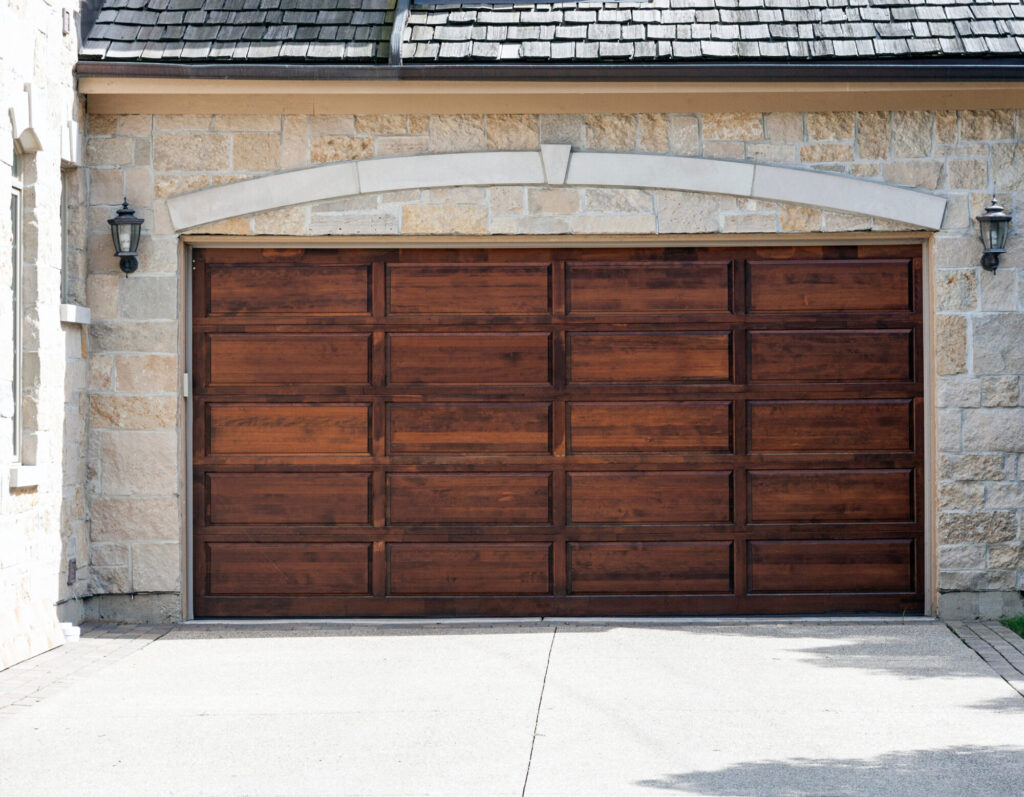
Style selection is more straightforward than it used to be. Most major brands now offer flush, raised-panel, carriage-house, and contemporary designs in steel, and several offer composite or aluminum options for specific looks. Matching window shape and placement to your home's existing fenestration makes a significant visual difference. Warranty terms vary by brand and product line—we'll walk you through what each manufacturer covers so you're comparing apples to apples before you decide.
We Service All Major Brands—Including Ones We Didn't Install
A common frustration homeowners run into is calling a company for a repair and being told the technician only works on doors or openers that company installed. We don't operate that way. If you have a Genie opener that needs a new logic board, a Wayne Dalton door with a broken spring, or a Sears Craftsman unit that's lost its programming, we can diagnose and repair it. The same applies to commercial operators from brands like Chamberlain Commercial, LiftMaster Commercial, and others.
Being brand-agnostic on service matters practically because garage doors and openers are long-lived products. The company that installed your door a decade ago may no longer be in business, may not service your area, or may simply be unavailable when you need same-day help. Our technicians carry a broad inventory of springs, cables, rollers, hinges, and circuit boards that cross-reference to most major brands, and when a part needs to be sourced, we use OEM components wherever possible rather than generic substitutes that may not meet original specifications.
Matching replacement parts correctly is especially important for springs. A spring sized for a lighter door installed on a heavier insulated door will fail prematurely and creates a safety risk. Every spring replacement we do starts with a weight and balance assessment of the actual door—not a guess based on door height alone.
What Affects the Cost of a Garage Door or Opener Job
We don't quote prices on a website because the real cost of any job depends on variables that only a technician can assess in person. What we can do is explain the factors that drive cost so you know what questions to ask and what to expect during an estimate.
For a new door installation, the primary cost drivers are door size and weight, the insulation tier you choose, the panel profile and finish, the number and style of windows, any structural work needed on the header or frame, and the type of hardware included. A basic single steel door in a standard size with no windows costs significantly less than a wide double door with decorative windows, a high R-value polyurethane core, and a custom color finish. Opener type, horsepower rating, drive system, and smart-home features all affect opener cost. Labor cost varies with job complexity—a straightforward swap of a like-for-like door takes less time than a full new opening with framing work.
For repairs, cost factors include what component has failed, whether it's a standard or specialty part, how many components need replacement at the same visit, and whether the existing hardware is compatible with modern replacement parts. Spring replacement, cable repair, and roller replacement are among the most common service calls. All of our estimates are free and provided on-site after a full inspection—we don't give binding quotes over the phone because doing so without seeing the door leads to surprises for everyone.
- Door size, gauge, and weight
- Insulation type and R-value tier
- Panel style, windows, and finish
- Opener horsepower, drive type, and smart features
- Condition of existing tracks, frame, and header
- Number of components needing replacement on a repair
- Part availability and whether OEM sourcing is required
Our Process: From First Call to Final Test
Step one is a conversation—either by phone at (972) 222-2345 or through our contact form. We ask about the door size, what's happening, and whether the situation is an emergency. For urgent calls outside normal hours, we're available around the clock. Step two is the on-site visit, where a technician inspects the door, opener, hardware, and frame. Nothing gets quoted until we've seen what we're working with.
Step three is the estimate review. We walk you through what we found, what we recommend, and what the options are. If there are multiple approaches—repair versus replace, for example—we explain the practical tradeoffs honestly rather than defaulting to the most expensive option. Step four is the work itself, performed with the parts on hand or sourced and scheduled for a return visit if a specialty component is needed. Step five is a full operational test: we cycle the door multiple times, verify balance, check auto-reverse sensitivity, test the safety sensors, and confirm remote and keypad programming before we consider the job complete.
We serve homeowners and businesses throughout McKinney, Allen, Frisco, Prosper, Celina, Plano, and the surrounding Collin County communities. Most standard repairs are completed in a single visit.
Warning Signs and Repair-vs-Replace Guidance
Some problems are clear repair candidates: a broken spring, a snapped cable, a bent roller, or an opener that won't respond to remotes but cycles fine manually. These are mechanical failures of components that have defined service lives, and replacing the failed part restores full function. If the door and its main structural sections are in good condition, repair almost always makes more sense than replacement.
Replacement becomes the better answer when the door itself has structural issues: sections that are cracked, severely dented, or warped beyond the ability of a replacement panel to match; rust that has compromised the steel skin or internal framework; or an older door with such poor insulation that energy costs and comfort are ongoing problems. If you're also facing an opener replacement and the door is already fifteen or more years old with visible wear throughout, doing both at the same time is often more cost-effective than staggered repairs.
Warning signs that shouldn't be ignored include a door that reverses unexpectedly during closing, visible fraying or slack in the cables, a door that shudders or jerks during operation, grinding or scraping sounds from the opener rail or trolley, and any situation where the door falls faster than normal when manually released. A door that doesn't balance properly—meaning it doesn't stay in place when stopped midway and released—indicates a spring tension problem that puts stress on the opener motor and creates a safety hazard. Call us before that situation progresses.
FAQs
Brands We Carry questions
Visit or call
McKinney Overhead Door
8720 Silverado Trail, Suite 104, McKinney, TX 75070
Open 24/7 · Emergency Service · (972) 222-2345
Get DirectionsFree Estimates · Same-Day Options
Schedule your free estimate
Call (972) 222-2345 — available 24/7 for emergencies.